Chapter 113. Plant RNA Immunity, Antiviral dsRNA Sensing, Cross-Kingdom RNA, and Disease Control
Scope Note
Plant RNA immunity is the set of RNA-centered defense systems by which plants recognize, process, amplify, transport, and use RNA molecules during interactions with viruses, viroids, fungi, oomycetes, bacteria, insects, nematodes, and beneficial or neutral organisms. The chapter focuses on small RNA pathways and double-stranded RNA (dsRNA) sensing in antiviral defense, on RNA movement between plants and associated organisms, and on the use of externally delivered RNA for crop disease control. The unifying principle is that RNA is both a pathogen-associated molecular pattern and a programmable guide: the same physical properties that make viral replication intermediates visible to defense systems also make synthetic dsRNA useful as a sequence-specific pesticide-like input.
Executive Summary
Plants rely heavily on RNA silencing because many plant viruses replicate through dsRNA intermediates or produce highly structured RNA that can be converted into small interfering RNAs. Dicer-like enzymes cut viral or other foreign dsRNA into small RNAs, Argonaute proteins use one strand as a guide to recognize complementary RNA, and RNA-dependent RNA polymerases can amplify silencing by copying target RNA into additional dsRNA. These reactions are not isolated molecular events. They connect to salicylic acid, pattern-triggered immunity, stem-cell antiviral protection, plasmodesmatal movement, phloem transport, and the evolutionary arms race between host silencing factors and viral suppressors of RNA silencing.
Antiviral dsRNA sensing in plants differs from animal interferon-centered nucleic acid sensing. Plants do not have a direct counterpart of vertebrate RIG-I-like receptor signaling, but they use Dicer-like dsRNA processing, RNA silencing amplification, and broader immune crosstalk to convert dsRNA into defense. Insect and other arthropod vectors add a second biological compartment: the same virus may face plant RNA silencing in the crop host and RNAi or innate immune pathways in the vector. Vector biology therefore influences viral acquisition, persistence, transmission, and epidemiology.
Cross-kingdom RNA communication is a promising but controversy-prone field. Stronger cases include experimentally supported exchange of small RNAs between plants and fungal pathogens, where RNA molecules can move across the host-pathogen interface and affect virulence or defense. Weaker or more disputed cases include broad nutritional claims that dietary plant miRNAs routinely enter mammalian tissues at regulatory concentrations. The central evidence problem is not whether RNA can ever move between organisms, but whether a particular RNA species reaches the correct cell, remains intact, loads into an effector complex, recognizes physiologically relevant targets, and changes phenotype at natural abundance.
Spray-induced gene silencing (SIGS) applies dsRNA or small RNA externally to plants or pathogens to reduce disease, pest damage, or viral infection without making a stable transgenic crop. SIGS builds on natural RNAi but adds agricultural constraints: RNA must survive formulation, sunlight, rain, nucleases, plant surfaces, cell walls, pathogen barriers, and field-scale cost limits. Nanocarriers, clay nanosheets, artificial vesicles, and other formulations can improve persistence and uptake, but delivery remains the central bottleneck. Environmental safety assessment must consider sequence-specific off-target effects, degradation products, non-target organisms, resistance evolution, exposure route, and differences between transient RNA products and conventional chemical pesticides.
Concept Inventory
- RNA silencing: a sequence-specific gene-regulatory process in which small RNAs guide Argonaute-containing effector complexes to complementary nucleic acids. In plant immunity, RNA silencing can directly cleave viral RNA, repress viral RNA translation, guide DNA methylation against viral or transposon-related sequences, or regulate host defense genes.
- Antiviral RNA interference: the subset of RNA silencing directed against viruses. Plant antiviral RNA interference commonly begins with viral dsRNA or structured viral RNA, Dicer-like processing, Argonaute loading, and target cleavage. It is strengthened by systemic movement and sometimes by RNA-dependent RNA polymerase-mediated amplification.
- Double-stranded RNA: an RNA duplex or RNA region with sufficient base-paired character to be recognized as abnormal or pathogen-associated in many biological systems. In plants, dsRNA is often treated operationally as the substrate that Dicer-like enzymes convert into small interfering RNAs, rather than as a ligand for a single receptor analogous to mammalian RIG-I.
- Cross-kingdom RNA interference: regulatory effects caused by RNA transfer between organisms from different kingdoms, such as plant-to-fungus or fungus-to-plant small RNA movement. The term should be reserved for cases where RNA transfer, effector loading or target engagement, and phenotypic consequence are all supported.
- Spray-induced gene silencing: the use of externally applied RNA, usually dsRNA, to trigger silencing of a pathogen, pest, or plant target. It differs from host-induced gene silencing because the silencing trigger is applied as a product rather than expressed from a transgene in the plant.
What to Know Before Reading This Chapter
This chapter assumes familiarity with basic RNA polarity, complementary base pairing, and small RNA guide logic. The essential background is that a small RNA does not need to encode a protein to be functional: it can specify a target by Watson-Crick pairing. Plants use families of Dicer-like proteins, Argonaute proteins, and RNA-dependent RNA polymerases, and each family member has preferred substrates, products, and biological contexts. Plant viruses often have RNA genomes or RNA replication stages, so virus replication naturally creates RNA structures that host silencing pathways can sample. The chapter uses viral RNAs, fungal pathogen RNAs, and synthetic sprayed dsRNAs as running examples.
113.1. Plant small RNA pathways and antiviral defense
Plant small RNA pathways are built around three linked activities: dsRNA generation, dsRNA processing, and guide-directed target recognition. Dicer-like proteins cut long dsRNA or hairpin-like precursors into small RNAs, Argonaute proteins bind one guide strand from the duplex, and RNA-dependent RNA polymerases synthesize secondary dsRNA from selected RNA templates. This architecture lets plants convert a molecular sign of infection into many sequence-specific defense guides. The same logic also creates endogenous miRNAs, trans-acting siRNAs, heterochromatic siRNAs, and other regulatory small RNAs, so antiviral defense is intertwined with development and genome regulation rather than being a completely separate immune organelle.
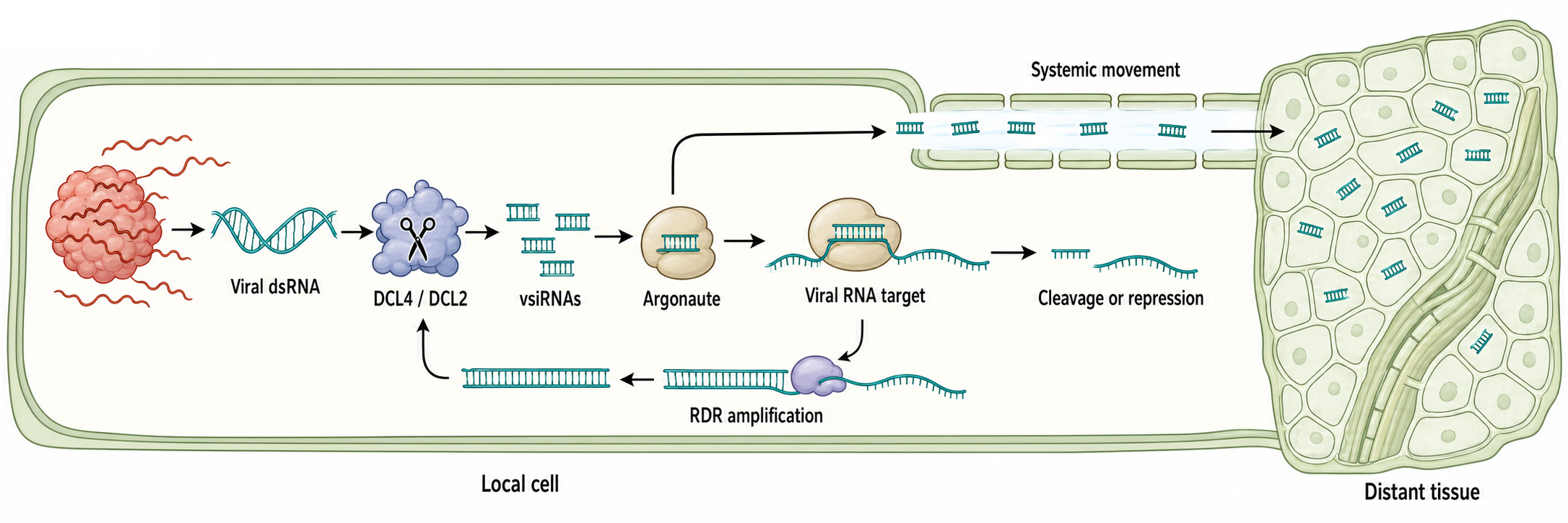
Figure 113.1. Plant antiviral RNA silencing pathway. Students should see antiviral silencing as a causal pathway from viral replication intermediate to sequence-specific defense.
The core antiviral pathway begins when viral replication, convergent transcription, or highly structured viral RNA produces dsRNA. In many plant RNA virus infections, viral RNA-dependent RNA polymerases generate replicative intermediates in which positive- and negative-sense strands are paired. Plant Dicer-like enzymes, especially DCL4 and DCL2 in many model systems, process these substrates into 21- and 22-nucleotide virus-derived small interfering RNAs. These virus-derived siRNAs are loaded into Argonaute proteins such as AGO1, AGO2, AGO5, AGO7, or AGO10 depending on plant species, tissue, infection context, small RNA size, and guide-strand nucleotide identity. The loaded Argonaute then recognizes complementary viral RNA and can cleave it or otherwise inhibit viral gene expression.
A useful way to understand plant antiviral silencing is to compare the first siRNAs with amplified siRNAs. Primary virus-derived siRNAs come directly from viral dsRNA or structured viral RNA. Secondary siRNAs are generated when host RNA-dependent RNA polymerases copy target RNAs into new dsRNA, which Dicer-like enzymes process again. RDR1 and RDR6 are important in many antiviral settings, though their relative contribution varies by virus, host genotype, developmental stage, and tissue. Amplification matters because a few initial guide RNAs can be converted into a broader and stronger population of antiviral guides. It also creates risk: if host transcripts are mistakenly copied or if viral suppressors disturb normal small RNA loading, silencing can affect plant development or defense gene expression.
Plant viruses reveal the importance of this pathway because many encode viral suppressors of RNA silencing. Suppressors bind dsRNA, sequester siRNAs, inhibit Dicer-like enzymes, interfere with Argonaute loading, destabilize Argonaute proteins, alter systemic silencing, or perturb host transcriptional and hormone networks. Viral suppressors are not merely laboratory tools; they are virulence factors shaped by coevolution with plant RNA immunity. Their diversity also warns against describing plant antiviral RNA silencing as one linear pathway. A virus that is controlled mainly by DCL4-generated 21-nucleotide siRNAs in one host may exploit or suppress a different step in another host.
Antiviral RNA silencing does not work alone. Salicylic acid, pattern-triggered immunity, plasmodesmatal gating, protein quality control, autophagy, RNA decay, and hormone signaling can influence whether infection remains local or becomes systemic. Recent work on plant stem-cell antiviral protection highlights this integration: meristematic tissues can show unusual resistance to viral invasion, and RNA interference cooperates with salicylic acid-linked defense in some contexts. The result is a layered immune system in which RNA sequence specificity combines with tissue architecture and defense signaling.
The evidence base for plant antiviral small RNA pathways is strong because it comes from convergent methods. Small RNA sequencing detects virus-derived siRNA populations. Dicer-like, Argonaute, and RNA-dependent RNA polymerase mutants reveal altered susceptibility or altered siRNA profiles. AGO immunoprecipitation shows guide loading. Cleavage assays and degradome methods can support target slicing. Viral suppressor genetics identifies pathway antagonism. However, each method has limits. A small RNA’s abundance does not prove it is functional, complementarity does not prove natural targeting, and mutant phenotypes can reflect developmental or hormone changes rather than a direct antiviral defect. The most convincing claims combine RNA abundance, effector loading, target engagement, and infection outcome.
Box 113.1. Reading Virus-Derived siRNA Evidence
In plant infection, small RNA sequencing often reveals 21- and 22-nucleotide reads mapping across a viral genome. That pattern usually indicates Dicer-like processing of viral RNA, but it is not by itself proof that the reads suppress infection. A functional antiviral siRNA should pass several tests: appearance in the relevant tissue and infection stage, loading into an Argonaute effector, guide-strand features compatible with slicing or repression, sequence-dependent target engagement, and altered viral accumulation or symptoms when pathway components or target sites are changed. Controls matter. An siRNA peak can reflect degradation, library bias, or an abundant nonproductive duplex. Conversely, a low-abundance Argonaute-loaded guide can matter if it hits an essential viral RNA. Interpret virus-derived siRNA data as an evidence ladder, not as a binary functional label.
113.2. dsRNA sensing and antiviral RNA silencing in plants and vectors
The phrase dsRNA sensing can mean different things in plant and animal immunity. In vertebrate cells, sensors such as RIG-I-like receptors and dsRNA-activated enzymes can trigger interferon-centered signaling. In plants, dsRNA is most often sensed through processing and silencing: Dicer-like proteins convert dsRNA into guide RNAs, and the guide RNAs then specify antiviral action. This does not mean plants lack immune perception of viral infection. It means the molecular grammar is different. The plant system reads dsRNA as a substrate for sequence-specific defense and as a signal that intersects with broader innate immune pathways.
Table 113.1. Comparison of dsRNA sensing logic in plants, insect vectors, and vertebrate animals. Prevent direct transfer of interferon-centered animal terminology to plant RNA silencing.
| System | Main dsRNA source | Principal recognition or processing mode | Effector output | Common overgeneralization to avoid |
|---|---|---|---|---|
| Plant host cell | Viral replication intermediates, structured viral RNA, or RDR-made secondary dsRNA. | DCL4 and DCL2 processing into 21- and 22-nt virus-derived siRNAs, followed by AGO loading and RDR amplification. | Viral RNA cleavage or repression, local and systemic silencing, and immune crosstalk with salicylic acid and other defenses. | Do not describe plant antiviral dsRNA processing as a vertebrate-like RIG-I/interferon receptor cascade. |
| Arthropod vector tissue | Viral RNA or dsRNA in gut, hemolymph, salivary gland, or other tissues during circulative or propagative transmission. | Insect siRNA pathways plus species- and virus-specific innate immune modules; relevance depends on transmission mode. | Altered vector viral load, tissue tropism, persistence, acquisition, or transmission efficiency. | Do not infer plant mechanisms from vector RNAi, and do not assume RNAi is central for nonpersistent transmission. |
| Vertebrate animal cell | Viral dsRNA, 5′-triphosphorylated RNA, or replication-associated RNA structures. | RIG-I-like receptors, TLR3, PKR, OAS/RNase L, and related interferon-linked sensing pathways. | Interferon induction, ISG expression, translation inhibition, RNA decay, apoptosis, or inflammatory signaling. | Do not transfer interferon-centered terminology to plants unless the comparison is explicit. |
Several features of plant biology shape dsRNA sensing. Plant cells are surrounded by cell walls, connected by plasmodesmata, and organized into tissues where RNA silencing signals can move locally and systemically. A viral infection in one leaf cell can generate mobile silencing signals that move into neighboring cells or through the vasculature, preparing uninfected tissues for sequence-specific defense. The mobile signal has been debated historically, but small RNAs and longer RNA precursors are plausible contributors depending on the system. The important point for disease control is that RNA immunity can be non-cell-autonomous: defense is not restricted to the first cell that saw viral dsRNA.
Plant vectors complicate the picture. Aphids, whiteflies, leafhoppers, planthoppers, thrips, mites, and other organisms transmit many plant viruses. Some viruses are nonpersistent and remain associated with mouthparts for short periods; others are circulative or propagative and enter vector tissues, sometimes replicating in the vector. A propagative plant virus therefore encounters at least two RNA immune environments: the plant host and the vector. Arthropod vectors can have RNAi pathways and other nucleic acid sensing systems, and these pathways can influence viral load, tissue tropism, persistence, and transmission efficiency. The vector is not a passive syringe. It is a living host whose RNA defenses and physiology shape the viral life cycle.
Insects and other invertebrates are not identical to plants. Many insects use siRNA pathways for antiviral defense, but they also possess Toll, immune deficiency, JAK/STAT-like, autophagy, apoptosis, and other antiviral components whose importance differs by species and virus. Some dsRNA sensing studies in mosquito or other insect cells identify receptors or signaling components that are not directly conserved as plant antiviral sensors. These comparisons are still useful because crop disease often depends on vector ecology, but they should not be used to infer plant mechanisms without plant evidence. A claim about Toll6-linked dsRNA response in a Culex cell line, for example, is relevant to vector immunology, not proof of an analogous plant receptor.
Viral suppressors can act in vectors as well as plants, but the evidence is uneven across virus-vector pairs. Some plant viruses replicate in insect vectors and must manage vector RNAi or innate immune pressure. Others are transmitted without replication, making vector RNA immunity less central to the viral genome’s success. For disease management, this distinction affects intervention design. A dsRNA treatment targeting a viral replication gene may work in plant tissue but have little effect during nonpersistent transmission if exposure occurs too late. Conversely, targeting vector genes required for acquisition, gut passage, salivary gland entry, or feeding behavior may reduce transmission even if the plant antiviral pathway is unchanged.
The safest general model is therefore compartmental. In plant cells, viral dsRNA feeds Dicer-like processing, Argonaute-guided silencing, amplification, and systemic signaling. In vector tissues, viral dsRNA or viral RNA may feed insect RNAi and other immune pathways, but the relevant tissues and timing depend on the transmission mode. At the plant-vector interface, RNA molecules may also be experimentally delivered through feeding, symbionts, topical formulations, or transgenic plants. Each compartment has different barriers: plant cuticle and cell wall, vector gut nucleases, endosomal escape, hemolymph stability, tissue uptake, and effector loading.
113.3. Cross-kingdom RNA communication claims and controversies
Cross-kingdom RNA communication is the proposed movement of RNA between organisms from different kingdoms with a regulatory consequence in the recipient. The strongest conceptual examples are host-pathogen interfaces where cells are physically close, RNA concentrations can be locally high, and selection can favor molecular interference. Plant-fungal interactions have provided influential evidence: plants can produce small RNAs that target pathogen genes, and fungal pathogens can produce small RNAs that suppress plant defense transcripts. In some systems, extracellular vesicle-like particles, RNA-binding proteins, or other carriers are proposed to help RNA cross boundaries, although the route, cargo selectivity, and generality remain active questions.
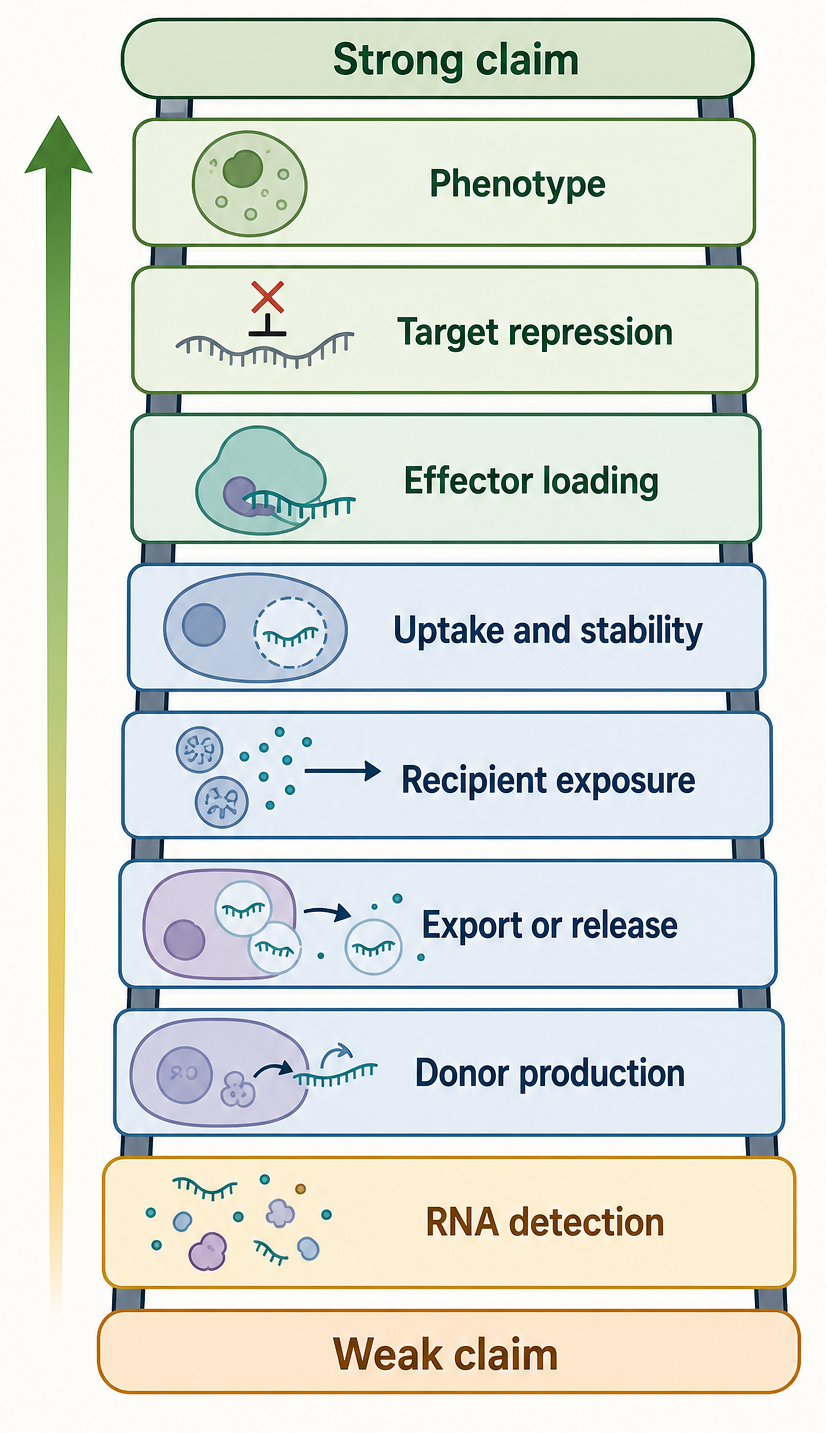
Figure 113.2. Evidence ladder for cross-kingdom RNA communication. Distinguish RNA detection from functional cross-kingdom regulation.
A rigorous cross-kingdom RNA interference claim needs several links in the chain. First, the RNA must be produced by the donor organism and distinguished from contamination or shared sequence. Second, it must reach the recipient cell or extracellular space at a plausible concentration. Third, it must remain intact long enough to be loaded into a recipient silencing complex or otherwise interact with a molecular target. Fourth, target recognition must be demonstrated by sequence dependence, not only by correlation. Fifth, the interaction must change phenotype, such as pathogen virulence, plant susceptibility, or disease severity. Missing one link does not disprove all cross-kingdom RNA biology, but it lowers the claim from mechanism to hypothesis.
Box 113.2. Evidence Ladder for Cross-Kingdom RNAi
Use the term cross-kingdom RNAi only when origin, route, effector step, and phenotype are connected. Origin evidence asks whether the donor genotype, infection state, or RNA locus explains the molecule and whether mapping rules exclude shared, repetitive, or contaminating sequences. Route evidence asks whether the recipient is exposed to enough intact RNA under plausible biological conditions, not only after overexpression or high-dose treatment. Effector evidence asks whether the recipient silencing machinery loads the RNA or whether target-site mutation abolishes the effect. Phenotype evidence asks whether virulence, defense, growth, or disease severity changes with RNA sequence and target expression. Cases missing uptake or effector loading may support RNA movement, but they do not yet establish regulatory cross-kingdom RNAi. Dietary and distant ecological claims require especially strict quantitative controls because digestion, dilution, complex samples, and low-abundance reads amplify false positives.
The field’s controversies arise because small RNA experiments are vulnerable to several artifacts. Library preparation can preferentially capture certain RNA sizes or termini. Mapping short reads across host and pathogen genomes can misassign reads when sequences are conserved, repetitive, or low complexity. Abundant degradation fragments can be mistaken for regulatory small RNAs. Predicted targets can be numerous because short complementarity rules are permissive. Low-level RNA contamination can matter when a claim depends on rare molecules. For dietary plant miRNA claims in mammals, additional barriers include digestion, intestinal uptake, dilution in circulation, tissue delivery, and loading into mammalian Argonaute at concentrations sufficient for target repression. Many broad nutritional claims remain disputed or unsupported by reproducible quantitative evidence.
The plant disease literature is more mechanistically plausible than many dietary claims because infection sites create intimate contact and strong selection. A fungus growing through plant tissue has direct access to host surfaces, apoplast, and damaged or specialized interfaces. A plant can benefit from exporting small RNAs against pathogen virulence factors, and a pathogen can benefit from delivering small RNAs against host immunity genes. Still, plausibility is not proof. For each pathosystem, investigators must separate natural RNA transfer from experimental overexpression, distinguish RNA uptake from biological effect, and test whether target-site mutations, RNA depletion, or pathway mutants alter the phenotype as predicted.
Cross-kingdom RNA communication also intersects with bacteria and oomycetes, but the mechanisms are less settled. Bacteria do exchange extracellular vesicles and nucleic acids, and plant-associated bacteria can respond to plant signals, but canonical Argonaute-centered RNAi is not universal in bacteria. Claims that plant small RNAs directly regulate bacterial genes require special caution because bacterial RNA degradation, uptake, and regulatory machinery differ from eukaryotic RNA silencing. Oomycetes have RNA silencing-related pathways and are agriculturally important, making them plausible targets for RNA-mediated control, but uptake and effector mechanisms need pathosystem-specific evidence.
A useful boundary is to separate three statements. RNA molecules can move between organisms in some settings. Some moved RNAs can be regulatory. A particular cross-kingdom RNA claim is established only when transfer, target engagement, and phenotype are linked. The first statement is broad and increasingly plausible; the second is context-dependent; the third must be earned case by case. This boundary prevents the field from collapsing into either hype or blanket skepticism.
113.4. Spray-induced gene silencing and eco-friendly disease control
Spray-induced gene silencing applies RNA directly to plants, pathogens, or pests to trigger sequence-specific gene silencing. The RNA is usually long dsRNA, which can be processed into siRNAs after uptake, but formulations may also deliver shorter duplex RNAs or hairpin RNAs. SIGS differs from host-induced gene silencing, where a transgenic or genome-edited plant expresses the silencing trigger internally. SIGS is attractive because it could offer programmable, biodegradable disease control without creating a stable transgenic crop. Its promise is real, but its performance is controlled by delivery physics as much as by guide sequence design.
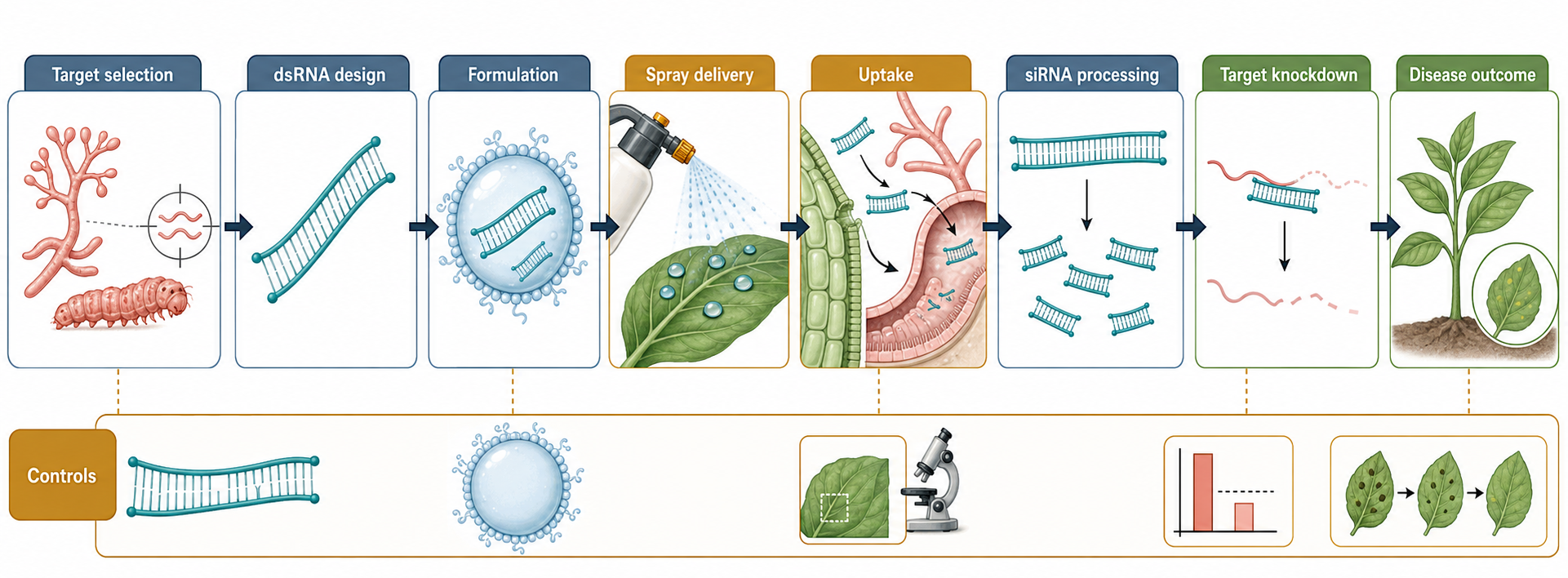
Figure 113.3. Spray-induced gene silencing workflow for disease control. Connect molecular design with delivery and agricultural testing.
The target can be a plant virus, fungal pathogen, oomycete, insect pest, nematode, or sometimes a plant susceptibility gene. For a virus, dsRNA may target essential replication, movement, encapsidation, or suppressor genes. For a fungus or oomycete, dsRNA may target genes needed for growth, virulence, stress tolerance, or host colonization. For an insect, dsRNA may target genes required for feeding, development, detoxification, reproduction, or virus transmission. The best target is not simply the most conserved sequence. It must be accessible to RNAi in the organism, specific enough to avoid unacceptable non-target matches, difficult for the pathogen or pest to bypass, and linked to a phenotype that matters under field conditions.
Uptake is often the decisive barrier. Some fungi and oomycetes take up environmental dsRNA efficiently, whereas others do not. Some insects respond strongly to ingested dsRNA, whereas others degrade it in the gut or fail to transport it into the right tissues. Some plant tissues retain externally applied RNA on surfaces but do not move enough of it into cells. Work showing that SIGS efficacy depends on pathogen RNA uptake is important because it reframes failures: a well-designed dsRNA can fail if it never reaches the silencing machinery. Artificial nanovesicles and other carriers are being developed to increase uptake and protect RNA from degradation, but the best carrier may differ between leaf surfaces, roots, fungal hyphae, insect guts, and postharvest tissues.
SIGS also requires attention to time. A protective antiviral spray may need to be present before or soon after inoculation, while a pathogen-directed spray may need to coincide with spore germination or early infection. Rain, ultraviolet light, temperature, leaf waxes, microbial nucleases, and plant growth dilute or destroy RNA. Formulations that bind dsRNA to layered double hydroxide clay nanosheets, polymers, peptides, lipids, or vesicles can increase persistence, but persistence is a tradeoff. Longer environmental lifetime may improve disease control, yet it also extends exposure to non-target organisms and may affect regulatory assessment.
Evidence for SIGS should be read with the same chain-of-causality standard as natural cross-kingdom RNAi. A strong study shows that disease reduction depends on the dsRNA sequence, that the target RNA decreases in the relevant organism, that uptake occurs, that a scrambled or unrelated dsRNA is less effective, and that the phenotype is reproducible across realistic inoculum pressure. Field or semi-field data are especially important because greenhouse sprays can overestimate performance. The most common overinterpretation is to treat visible disease reduction as proof of RNAi. Reduced disease could also reflect nonspecific immune stimulation, formulation toxicity, altered microbial communities, or experimental timing.
Box 113.3. Controls for a SIGS Experiment
A convincing spray-induced gene silencing experiment asks whether external RNA caused sequence-specific silencing in the intended organism. Minimum controls include a scrambled or unrelated dsRNA, carrier-only and no-spray treatments, measurement of the target RNA in the pathogen, pest, or plant cell, and an uptake assay showing that the relevant tissue encountered the RNA. A dose and time course helps distinguish transient exposure from durable protection. Formulation controls are essential because carriers, salts, surfactants, or vesicles can change microbial growth or plant defense independently of RNAi. Visible disease reduction should be interpreted cautiously: symptoms can fall because the spray induces plant immunity, harms the pathogen nonspecifically, alters surface microbes, or changes infection timing. A field-ready claim also needs rainfastness, persistence, non-target exposure estimates, and monitoring for target-site escape or reduced uptake.
113.5. Agricultural applications, delivery barriers, and environmental safety
RNA-based crop protection sits between biological control, biotechnology, and pesticide regulation. It can be designed faster than many chemical pesticides because sequence information can nominate targets quickly. It can be more specific than broad-spectrum chemicals because complementarity can restrict activity. It can be transient because RNA degrades. These advantages explain interest in SIGS, HIGS, dsRNA seed treatments, trunk injection for perennial crops, postharvest sprays, baits for insect pests, and formulations aimed at virus reservoirs or vectors. However, the same properties that make RNA attractive also create development challenges.
Table 113.2. Delivery barriers and safety questions for RNA-based crop protection. Make visible that sequence design is only one part of an RNA crop-protection product.
| Barrier or risk | Plant surface context | Soil or root context | Pathogen or pest context | Measurement strategy |
|---|---|---|---|---|
| RNA degradation and wash-off | Cuticle wax, UV light, rain, surface pH, epiphytic microbes, and nucleases reduce active dsRNA. | Minerals, organic matter, soil microbes, and water movement bind, dilute, or degrade RNA. | Saliva, gut nucleases, apoplastic enzymes, or pathogen extracellular nucleases destroy dsRNA before uptake. | Quantify intact RNA over time after simulated rain, UV exposure, soil incubation, and biological-fluid challenge. |
| Cellular uptake and tissue access | RNA may remain on the leaf surface or apoplast without entering enough plant cells. | Root uptake and movement depend on rhizosphere chemistry, root barriers, and formulation retention. | Fungi, oomycetes, insects, and nematodes differ widely in environmental RNA uptake and systemic spread. | Combine labeled-RNA imaging, tissue fractionation, small RNA sequencing, and target-organism uptake assays. |
| Formulation and carrier behavior | Clay, lipid, polymer, peptide, or vesicle carriers must be rainfast without blocking release. | Carriers may adsorb to particles, change microbial exposure, or persist differently from naked RNA. | Carrier toxicity, aggregation, feeding effects, or poor endosomal escape can confound RNAi interpretation. | Measure loading, release kinetics, photostability, rainfastness, carrier controls, and degradation products. |
| Sequence-specific non-target effects | Drift or residues may expose beneficial epiphytes, pollinators, or neighboring plants. | Soil invertebrates, fungi, bacteria, and root-associated communities may encounter active RNA. | Close relatives of the target pest or pathogen may share vulnerable transcript matches. | Screen local transcriptomes for long matches, then test realistic exposure doses in sentinel non-target species. |
| Resistance and durability | Repeated sprays can select viral or pathogen target-site variants on treated foliage. | Soil reservoirs and mixed infections can preserve escape genotypes between applications. | Targets can mutate, uptake can decrease, nucleases can increase, or RNAi suppressors can be selected. | Monitor target sequences, pathogen load, disease severity, uptake markers, and efficacy across spray cycles. |
| Field performance and timing | Protection depends on application timing relative to inoculation, growth, rain, and new tissue emergence. | Root or seed treatments must persist through planting, irrigation, and early infection windows. | dsRNA must reach the vulnerable life stage, infection structure, gut compartment, or vector transmission step. | Compare greenhouse, semi-field, and field trials with pathogen load, yield, symptoms, and weather metadata. |
Delivery barriers begin before the RNA reaches a cell. Manufacturing must produce dsRNA with consistent length, purity, sequence, and low contaminant levels. The formulation must remain stable during storage and application. On leaves, RNA encounters cuticle, wax, surface pH, sunlight, rain, microbes, and extracellular nucleases. In soil, RNA binds minerals and organic matter, is degraded by microbes, and may have limited movement to roots or pests. In insects, dsRNA must survive saliva and gut nucleases, cross epithelial barriers, avoid sequestration, and reach tissues where silencing changes phenotype. In fungi and oomycetes, the cell wall, extracellular nucleases, and species-specific uptake systems determine exposure.
Nanocarriers can address some of these barriers. Clay nanosheets can bind and slowly release dsRNA on leaves. Lipid, polymer, peptide, or vesicle-like carriers can protect RNA and promote cellular uptake. Artificial nanovesicles have been explored for dsRNA delivery in crop protection. These technologies should be evaluated by measurable criteria: loading capacity, release kinetics, rainfastness, photostability, tissue penetration, target-organism uptake, cost, scalability, compatibility with farm equipment, and degradation products. A carrier that works in a petri dish may fail under field conditions if it aggregates, clogs nozzles, washes off, or is too expensive for commodity crops.
Environmental safety assessment has several layers. Sequence-specific risk asks whether the dsRNA or derived siRNAs match genes in non-target organisms closely enough to silence them. This requires local biodiversity awareness, not only comparison to a few model species. Exposure risk asks whether non-target organisms are likely to encounter active RNA at sufficient dose and duration. Hazard risk asks whether silencing a matched gene would cause harm. Persistence risk asks how long the RNA and carrier remain active in soil, water, plant surfaces, pollinator habitats, or food. Resistance risk asks whether pathogens or pests can mutate target sites, reduce uptake, increase nuclease activity, suppress RNAi, or shift population structure.
RNA products are not automatically safe because they are natural or biodegradable. They also are not automatically hazardous because they are biotechnology. Risk depends on sequence, dose, formulation, exposure route, target biology, and receiving environment. A dsRNA designed against an insect gene conserved across beneficial arthropods has a different risk profile from a dsRNA targeting a pathogen-specific viral sequence. A clay-bound leaf spray has a different profile from a systemic plant-expressed hairpin. Regulation therefore needs product-specific evaluation rather than a single rule for all RNA-based crop protection.
Agricultural deployment also raises durability questions. Viral genomes mutate, fungal populations are diverse, insect pests can evolve resistance, and mixed infections are common. Multi-target dsRNA designs may reduce escape but can increase off-target analysis complexity. Rotating RNA targets, combining RNA products with resistant cultivars or biological control, and monitoring field populations for target-site changes may be necessary. Disease control should be measured not only by short-term symptom reduction but also by effects on yield, pathogen load, vector transmission, resistance evolution, and ecological side effects.
The broader scientific lesson is that RNA immunity is programmable but embodied. Complementarity provides the code, but organisms provide the compartments, barriers, enzymes, immune feedback, and ecological context. Plant antiviral defense works because small RNA pathways are integrated into plant development and immunity. Cross-kingdom RNA communication is credible when a physical route and effector mechanism are demonstrated. SIGS is promising when delivery, uptake, target knockdown, phenotype, safety, and field practicality align. The next phase of the field will likely be less about proving that RNA can regulate across biological boundaries in principle and more about learning when it does so robustly enough to support reliable disease control.
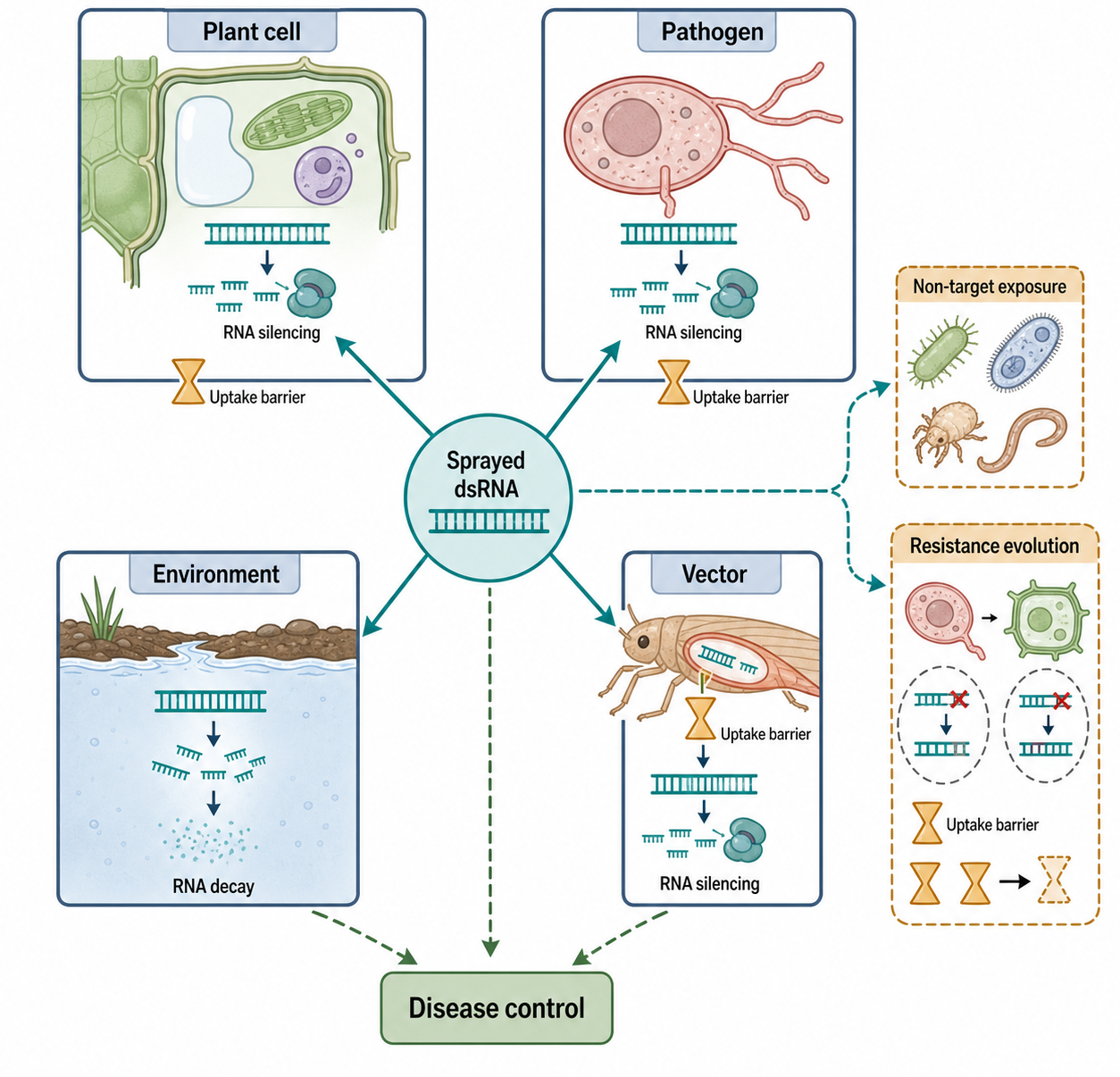
Figure 113.4. Compartmental model of RNA immunity across plant, pathogen, vector, and environment. Show that RNA disease control depends on movement through ecological compartments, not just complementarity.
Recent Consensus
Recent consensus supports plant RNA silencing as a central antiviral defense pathway, with Dicer-like proteins, Argonautes, RNA-dependent RNA polymerases, viral suppressors, and systemic silencing all contributing in context-dependent ways. There is also broad agreement that dsRNA is a useful trigger for plant and invertebrate antiviral responses, although the molecular interpretation of “sensing” differs between plants, insects, and vertebrates. Cross-kingdom RNA transfer is accepted as plausible and supported in selected host-pathogen systems, especially some plant-fungal interactions, but broad claims remain controversial unless quantitative transfer and target engagement are shown. SIGS is accepted as a promising crop-protection approach, with delivery and environmental performance now recognized as the main practical barriers.
Open Questions, Controversies, Deprecated Models, and Common Misconceptions
Open questions:
- Which molecules are the dominant systemic antiviral silencing signals in different plant species and infection stages?
- How often do natural extracellular vesicles carry functional small RNAs across plant-pathogen interfaces, and how selective is cargo loading?
- Which pathogens and pests have uptake pathways that can be exploited predictably for SIGS?
- How should environmental exposure be measured for RNA formulations that degrade, bind particles, or release slowly?
- How quickly will resistance evolve against sequence-specific RNA crop-protection products?
Common misconceptions:
- “From one organism to another. Plant antiviral dsRNA processing is not the same as vertebrate interferon signaling. Insect vector RNAi is not automatically the mechanism of viral control in plant tissue. A plant small RNA detected in a pathogen sample is not automatically a regulatory cross-kingdom RNA. Disease reduction after dsRNA treatment is not automatically RNAi unless sequence-specific target knockdown and uptake are shown. Finally, biodegradability is not a substitute for safety assessment can be generalized without qualification.” It is one property to measure.
Deprecated or weakened claims:
- The idea that any abundant small RNA with target complementarity must be functional, the assumption that topical dsRNA uniformly enters all plant or pathogen cells, and the broad claim that dietary plant miRNAs generally regulate mammalian gene expression at physiologically meaningful levels. These ideas should be replaced with quantitative, context-specific models of RNA production, movement, stability, loading, target engagement, and phenotype.