Chapter 158. Pharmacokinetics, Pharmacodynamics, Immunogenicity, Toxicology, and Regulatory Science for RNA Drugs
Scope Note
This chapter explains how RNA drugs move through the body, how their molecular effects are measured, how immune and toxicologic liabilities are evaluated, and how regulators convert chemistry, manufacturing, pharmacology, and clinical evidence into approval and post-market obligations. The chapter treats small oligonucleotides, conjugated oligonucleotides, messenger RNA (mRNA), self-amplifying RNA, lipid nanoparticle (LNP) formulations, and other RNA delivery systems as related but not interchangeable modalities.
Executive Summary
RNA drugs are pharmacologically diverse because the active species can be a short chemically modified oligonucleotide, an RNA-loaded particle, a conjugate that binds a cell-surface receptor, or a translated mRNA encoding a protein antigen or therapeutic protein. Pharmacokinetics asks what the body does to the drug: where the dose goes, how much reaches relevant tissues, how long the drug or translated product persists, and how degradation and excretion occur. Pharmacodynamics asks what the drug does to the body or target system: whether target RNA is degraded, splicing is redirected, protein is made, antigen-specific immunity is induced, or a pathogenic pathway changes.
The central pharmacology problem for RNA drugs is that plasma exposure is rarely the same as intracellular target exposure. Many oligonucleotides leave plasma rapidly but remain in tissues for weeks or months. LNP-mRNA products may show short extracellular persistence while producing protein for hours to days and inducing immune memory that lasts much longer. GalNAc-siRNA conjugates may have low plasma exposure after subcutaneous dosing but high hepatocyte uptake through the asialoglycoprotein receptor. These patterns make conventional small-molecule assumptions misleading unless the relevant analyte, compartment, and response biomarker are specified.
Safety evaluation is equally modality-dependent. Innate immune sensors detect RNA sequence features, double-stranded RNA, uncapped or improperly capped RNA, contaminating RNA species, and some delivery materials. Complement activation, cytokine release, infusion reactions, anti-drug antibodies, anti-PEG antibodies, and repeat-dose tolerability are not generic “immune activation”; they are different mechanisms with different assays and clinical implications. Toxicology must evaluate class effects such as kidney and liver accumulation for some oligonucleotides, platelet or coagulation changes for some chemistries, inflammatory effects of particles, hybridization-dependent off-targeting, and risks that arise from long-lived pharmacology rather than from RNA sequence alone.
Regulatory science integrates these data into product-specific evidence. Regulators ask whether the exact chemistry, delivery system, manufacturing process, impurity profile, potency assay, nonclinical package, clinical dose rationale, labeling, and surveillance plan support the intended use. Platform knowledge can reduce uncertainty when a sponsor has repeated experience with a chemistry or delivery system, but platform evidence does not erase the need to understand a new sequence, target, tissue, patient population, or route of administration. A mature RNA-drug dossier therefore links CMC quality attributes to PK, PD, immunogenicity, toxicology, clinical benefit, risk management, and post-market evidence.
Concept Inventory
- Pharmacokinetics (PK): the quantitative description of drug exposure over time. For RNA drugs, PK may refer to parent oligonucleotide in plasma, total full-length guide strand in tissue, encapsulated RNA, released RNA, translated protein, lipid components, conjugated ligand, or metabolites. A PK statement is incomplete unless it specifies the measured analyte and matrix.
- Pharmacodynamics (PD): the quantitative description of a biological response caused by drug exposure. PD endpoints for RNA drugs include target mRNA knockdown, altered splice isoform abundance, protein restoration or depletion, edited RNA fraction, innate immune markers, antigen-specific antibody titers, T-cell responses, and clinical biomarkers.
- ADME: absorption, distribution, metabolism, and excretion. The acronym is useful for organizing evidence, but each term changes meaning across modalities. “Absorption” for a subcutaneous GalNAc-siRNA is movement from injection site into blood and receptor-accessible liver space. “Absorption” for an intramuscular LNP-mRNA vaccine includes local particle uptake by muscle cells and antigen-presenting cells, lymphatic drainage, and inflammatory recruitment.
- Target engagement: direct evidence that the drug interacts with its intended molecular target or pathway. For an RNase H gapmer, target engagement may be reduced target RNA in the relevant tissue with evidence that the change follows sequence-specific hybridization. For mRNA vaccines, target engagement is not target knockdown but intracellular delivery, translation, antigen expression, and immune presentation.
- Immunogenicity: the capacity of a product to induce immune responses against the drug substance, drug product, delivery material, expressed protein, or impurities. It includes innate sensing, cytokine release, complement activation, adaptive anti-drug antibodies, anti-PEG responses, and immune responses against encoded proteins.
- Toxicology: the systematic evaluation of harmful effects, dose relationships, reversibility, susceptible populations, and safety margins. For RNA drugs, toxicology must separate pharmacology-driven toxicity, sequence-dependent off-target effects, chemistry- or material-driven effects, impurity-driven effects, and delivery-route effects.
- Regulatory science: the application of scientific evidence to decisions about product quality, nonclinical safety, clinical development, approval, labeling, and post-market monitoring. It is not only a legal pathway. It is the evidence logic that connects a molecular product to patient benefit and risk.
What to Know Before Reading This Chapter
The reader should know that RNA drugs differ in size, chemistry, route, and mechanism. Antisense oligonucleotides and siRNAs are usually short nucleic acids designed to bind a complementary RNA. mRNA products are larger RNAs that must be translated into protein after delivery to the cytoplasm. LNPs are multicomponent particles whose lipids influence uptake, endosomal escape, biodistribution, inflammation, and manufacturing quality. GalNAc conjugates use a carbohydrate ligand to target hepatocytes through a receptor-mediated pathway.
The reader should also keep separate the extracellular dose, the intracellular active species, and the downstream biological effect. A blood concentration can be easy to measure but may not be the best predictor of target knockdown in liver, protein expression in muscle, or immune memory in lymph nodes. Conversely, a strong PD effect can outlast measurable plasma drug because the RNA drug persists in tissue, the target protein turns over slowly, or an adaptive immune response has been established.
This chapter uses several recurring examples. A GalNAc-siRNA illustrates receptor-mediated hepatocyte delivery and durable RNA interference. A phosphorothioate antisense gapmer illustrates plasma protein binding, tissue accumulation, RNase H-mediated target degradation, and class toxicology concerns. An LNP-mRNA vaccine illustrates particle-driven delivery, transient translation, innate immune sensing, reactogenicity, and platform CMC questions. A splice-switching oligonucleotide illustrates the difference between molecular correction, protein restoration, and clinical functional response.
158.1. ADME Principles for Oligonucleotides, mRNA, Nanoparticles, and Conjugates
ADME begins with a simple question: after administration, what forms of the RNA drug are present in which body compartments over time? For conventional small molecules, the measured parent compound in plasma often provides a useful first approximation of systemic exposure. For RNA drugs, that approximation can fail because the therapeutically relevant material may be inside a tissue cell, bound to a protein complex, protected inside a particle, conjugated to a targeting ligand, or translated into a protein product. The pharmacologist must therefore define the analyte before interpreting a curve.
Box 158.1. Define the Exposure Before Interpreting PK
An RNA-drug exposure statement should name the molecule, matrix, and biological interpretation. For example, “plasma parent oligonucleotide AUC declined within hours” is not equivalent to “hepatocyte RISC-loaded guide persisted long enough to silence target RNA.” Before treating a PK curve as evidence of exposure, ask four questions: What analyte was measured? In what matrix? Does the assay distinguish intact active material from metabolites, encapsulated from released RNA, or lipid from RNA? Does the measured compartment plausibly connect to the target cells and effect? The relevant time course may be plasma drug, tissue-retained oligonucleotide, intracellular effector complex, encoded protein, immune memory, or safety biomarker. A useful PK sentence therefore has the form: “analyte X in matrix Y over interval Z supports inference W, with limitation L.”
Absorption is route-specific. Intravenous infusion places a drug product directly into blood, where serum proteins, complement proteins, phagocytes, vascular endothelium, and filtering organs immediately influence distribution. Subcutaneous dosing creates a depot in interstitial tissue. From that depot, oligonucleotides and conjugates can enter blood capillaries, lymphatic vessels, or local cells, and absorption may be slowed by molecular size, charge, formulation viscosity, tissue binding, and local inflammation. Intramuscular LNP-mRNA administration adds another layer: a fraction of particles may be taken up locally by muscle cells or resident antigen-presenting cells, while another fraction may drain to lymph nodes or distribute systemically at low levels. Intrathecal, intracerebroventricular, intravitreal, inhaled, and topical routes have their own barriers and clearance pathways.
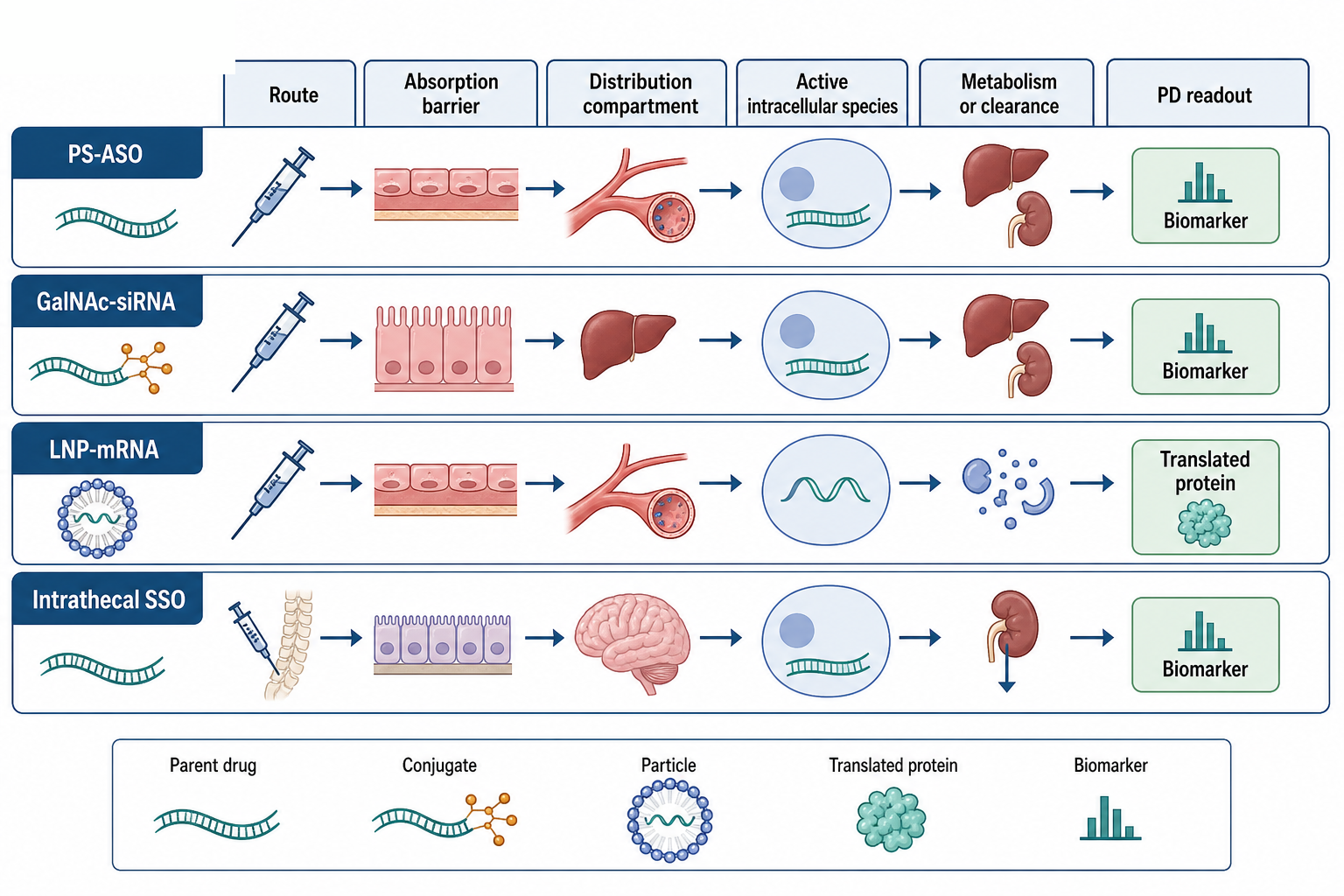
Figure 158.1. ADME Is Modality-Specific for RNA Drugs. RNA-drug ADME depends on the physical form and mechanism of the product. Parent oligonucleotide, conjugate, particle, lipid, translated protein, metabolite, and biomarker can each have different time courses.
Short oligonucleotide drugs usually have chemical modifications that resist nuclease cleavage and tune protein binding. Phosphorothioate linkages, in which a nonbridging oxygen in the phosphate backbone is replaced by sulfur, increase plasma protein binding and reduce rapid renal filtration relative to unmodified phosphodiester RNA. Sugar modifications such as 2′-O-methyl, 2′-O-methoxyethyl, locked nucleic acid, constrained ethyl, or morpholino architectures alter hybridization affinity, nuclease resistance, tissue distribution, and sometimes toxicity. These chemical changes mean that an “RNA drug” may behave less like endogenous RNA and more like a synthetic polyanion with sequence-specific binding capacity.
Distribution describes movement from the administration site and blood into tissues and cellular compartments. Many phosphorothioate antisense oligonucleotides distribute broadly to liver, kidney, spleen, bone marrow, and other well-perfused tissues, with cellular uptake mediated by mixtures of adsorptive endocytosis, protein-mediated uptake, scavenger receptors, and tissue-specific pathways. Distribution to the central nervous system after systemic dosing is limited by the blood-brain barrier, which is why some neurological oligonucleotide therapies use intrathecal dosing. GalNAc-siRNA conjugates exploit a more specific distribution principle: triantennary GalNAc binds the hepatocyte asialoglycoprotein receptor, the receptor internalizes the conjugate, and intracellular release permits loading of the guide strand into Argonaute-containing RNA-induced silencing complexes. The high receptor capacity of hepatocytes allows infrequent dosing for some liver targets, but it also means that the platform is not automatically transferable to nonhepatic tissues. [reference_target_CITE: GalNAc receptor-mediated siRNA PK/PD review and primary clinical examples]
Table 158.1. ADME Questions by RNA Drug Modality. Each RNA modality requires a different analyte strategy and a different link between exposure and pharmacodynamic response.
| Modality | Common route | Key measured analytes | Dominant distribution question | Metabolism or clearance concern | PD readout linked to exposure | Common interpretive trap |
|---|---|---|---|---|---|---|
| Phosphorothioate antisense oligonucleotide or RNase H gapmer | Subcutaneous, intravenous, or route matched to indication | Plasma parent or full-length oligonucleotide, chain-shortened metabolites, tissue or urine oligonucleotide, target RNA and protein | Which liver, kidney, spleen, marrow, or disease-relevant tissues retain active full-length drug? | Nuclease trimming, plasma and tissue protein binding, proximal tubule uptake, long tissue half-life | Target RNA knockdown, protein lowering, pathway biomarker, and exposed-organ safety markers | Assuming plasma half-life represents tissue persistence or duration of target suppression |
| GalNAc-siRNA conjugate | Usually subcutaneous | Plasma guide strand or duplex, metabolites, liver exposure when available, serum target protein | How much receptor-mediated hepatocyte uptake occurs, and is asialoglycoprotein receptor uptake saturated? | Receptor recycling, intracellular RISC persistence, nuclease metabolites, urinary or hepatobiliary fragments | Hepatocyte target mRNA knockdown and secreted protein reduction | Treating low plasma exposure as low hepatocyte exposure or as evidence for nonhepatic targeting |
| LNP-mRNA product | Intramuscular, intravenous, or local route depending product | Intact or fragment RNA, lipid components, particle-associated signal, expressed protein or antigen, cytokines | Which tissues and cell types take up particles, and where does productive endosomal escape occur? | mRNA decay, encoded protein turnover, lipid biodegradation, macrophage or liver clearance | Protein expression, antigen-specific immunity, replacement protein activity, and reactogenicity markers | Equating particle or RNA biodistribution with productive translation |
| Intrathecal splice-switching oligonucleotide | Intrathecal or intracerebroventricular | Cerebrospinal fluid and plasma oligonucleotide, metabolites, splice isoforms, restored protein when accessible | Does cerebrospinal fluid exposure translate into relevant neuronal or glial target engagement? | CSF turnover, tissue retention, procedure-related sampling limits, slow target-protein recovery | Exon inclusion or skipping, protein restoration, neurochemical biomarker, functional endpoint | Assuming cerebrospinal fluid concentration proves delivery to all disease-relevant CNS cells |
| Local ocular RNA drug | Intravitreal, subretinal, or other local ocular route | Ocular-fluid or tissue oligonucleotide or RNA, metabolites, local RNA or protein marker, systemic spillover | Is exposure concentrated in vitreous, retina, retinal pigment epithelium, or another intended ocular compartment? | Ocular clearance, local inflammation, limited repeat sampling, systemic leakage for some products | Local target knockdown, splice correction, protein expression, visual function, and ocular safety endpoints | Treating low blood concentration as proof of uniform ocular delivery or complete ocular safety |
LNP distribution is governed by particle composition, size, surface chemistry, protein corona, route, dose, and biological state. Ionizable lipids are designed to be relatively neutral at physiological pH and positively charged in acidic endosomes, but LNPs also contain helper lipids, cholesterol, PEG lipids, and RNA cargo. After intravenous dosing, many LNPs accumulate in liver because serum apolipoproteins and other proteins can promote hepatocyte uptake, and because liver sinusoidal endothelium and phagocytic cells have high exposure to circulating particles. After intramuscular dosing, local tissue uptake and lymphatic trafficking become more important. The term biodistribution should specify whether the measured material is RNA, lipid, protein expression, radioactivity, fluorescence, or a pharmacologic effect; these readouts can diverge.
Metabolism for RNA drugs includes nuclease degradation, chemical modification-dependent cleavage, deconjugation, lipid metabolism, and protein turnover for encoded products. Oligonucleotides are often metabolized by endonucleases and exonucleases into shorter chain fragments. A metabolite profile can differ across plasma, liver, kidney, urine, and injection-site tissue. LNP-mRNA products have multiple metabolic layers: the mRNA can be degraded by cellular ribonucleases after translation or failed translation; the encoded protein follows its own folding, secretion, processing, and degradation pathway; and lipid components are metabolized or cleared according to their chemical structures. Biodegradable ionizable lipids were developed partly to reduce long-term tissue persistence, but “biodegradable” is a claim that must be supported by product-specific analytical and in vivo data. [reference_target_CITE: LNP lipid metabolism and biodegradation review]
Excretion depends on size, protein binding, chemical stability, and tissue retention. Small unbound oligonucleotide fragments can be eliminated in urine, whereas larger protein-bound oligonucleotides and particles are not simply filtered at the glomerulus. Kidney exposure is still important because proximal tubule uptake can concentrate some oligonucleotide classes. Hepatobiliary clearance may matter for lipids, conjugates, and some metabolites. For products that induce durable biological effects, disappearance of parent drug from plasma does not imply disappearance of pharmacologic effect. A target protein may remain suppressed until the protein turns over and the target RNA recovers; an immune response may persist after RNA and protein expression are gone; and tissue-retained oligonucleotide may continue to release active intracellular species slowly.
Toxicokinetics extends PK into safety studies. Nonclinical toxicology studies measure exposure in the species, route, and dose range used for safety margins. For RNA drugs, toxicokinetic interpretation must account for species differences in receptor expression, immune sensing, complement activity, nuclease activity, tissue uptake, and sequence complementarity. A human-specific antisense sequence may not bind the same transcript in rodents, so a toxicology program may need a pharmacologically active surrogate, a humanized model, or a nonhuman primate study. The safety margin should not be treated as a single number unless the underlying exposure metric and PD comparability are clear.
The evidence base for ADME uses complementary methods. Hybridization enzyme-linked assays, liquid chromatography coupled to mass spectrometry, quantitative polymerase chain reaction, branched DNA assays, radiolabeling, fluorescence imaging, in situ hybridization, immunoassays for expressed protein, and sequencing-based measurements can all contribute. Each method has artifacts. Hybridization assays may detect metabolites depending on probe design. Radiolabeling may measure total label rather than intact active drug. Fluorescent labels can alter distribution or detach from cargo. Tissue homogenates lose cell-type resolution. Imaging shows location but may not quantify intact functional RNA. A robust ADME package therefore triangulates analyte-specific chemistry with biological response.
Do not overgeneralize from one RNA modality to another. An intrathecal splice-switching oligonucleotide, a subcutaneous GalNAc-siRNA, an intravenous LNP-mRNA cancer immunotherapy, and an intramuscular prophylactic mRNA vaccine have different absorption barriers, active intracellular species, tissue half-lives, and safety-relevant compartments. The unifying principle is not that “RNA drugs have poor PK” or “RNA drugs are long-lived.” The unifying principle is that PK must be anchored to the molecular form that causes efficacy or toxicity.
158.2. Target Engagement, Biomarkers, Exposure-Response, Duration, and Reversibility
Pharmacodynamics begins where distribution becomes function. Target engagement is direct or near-direct evidence that the RNA drug reaches the intended molecular system. For a small interfering RNA, the intended molecular system is usually a target mRNA loaded into Argonaute-guided RNA interference. For an RNase H gapmer, target engagement involves hybridization to a target RNA and recruitment of RNase H1 to cleave the RNA strand of the RNA-DNA duplex. For a splice-switching oligonucleotide, target engagement means binding pre-mRNA or mRNA in a way that changes splice-site choice, exon inclusion, or exon skipping. For an mRNA vaccine, target engagement is better described as cytoplasmic delivery, translation into antigen, antigen processing, and immune activation rather than binding a target RNA.
The first mistake in PD analysis is to confuse a downstream biomarker with target engagement. A lowered serum protein can be an excellent PD marker for a liver-directed siRNA if the protein is made mostly by hepatocytes and has a known turnover time. But that serum marker is not itself proof that the siRNA entered every relevant hepatocyte, loaded into Argonaute, or avoided off-target transcripts. A restored dystrophin protein band after a splice-switching oligonucleotide is closer to functional correction than a splice junction readout, but it still requires interpretation in the context of sampling site, assay sensitivity, muscle heterogeneity, and clinical function. A neutralizing antibody titer after an mRNA vaccine is an immune correlate, not a direct measure of how many cells translated the mRNA.
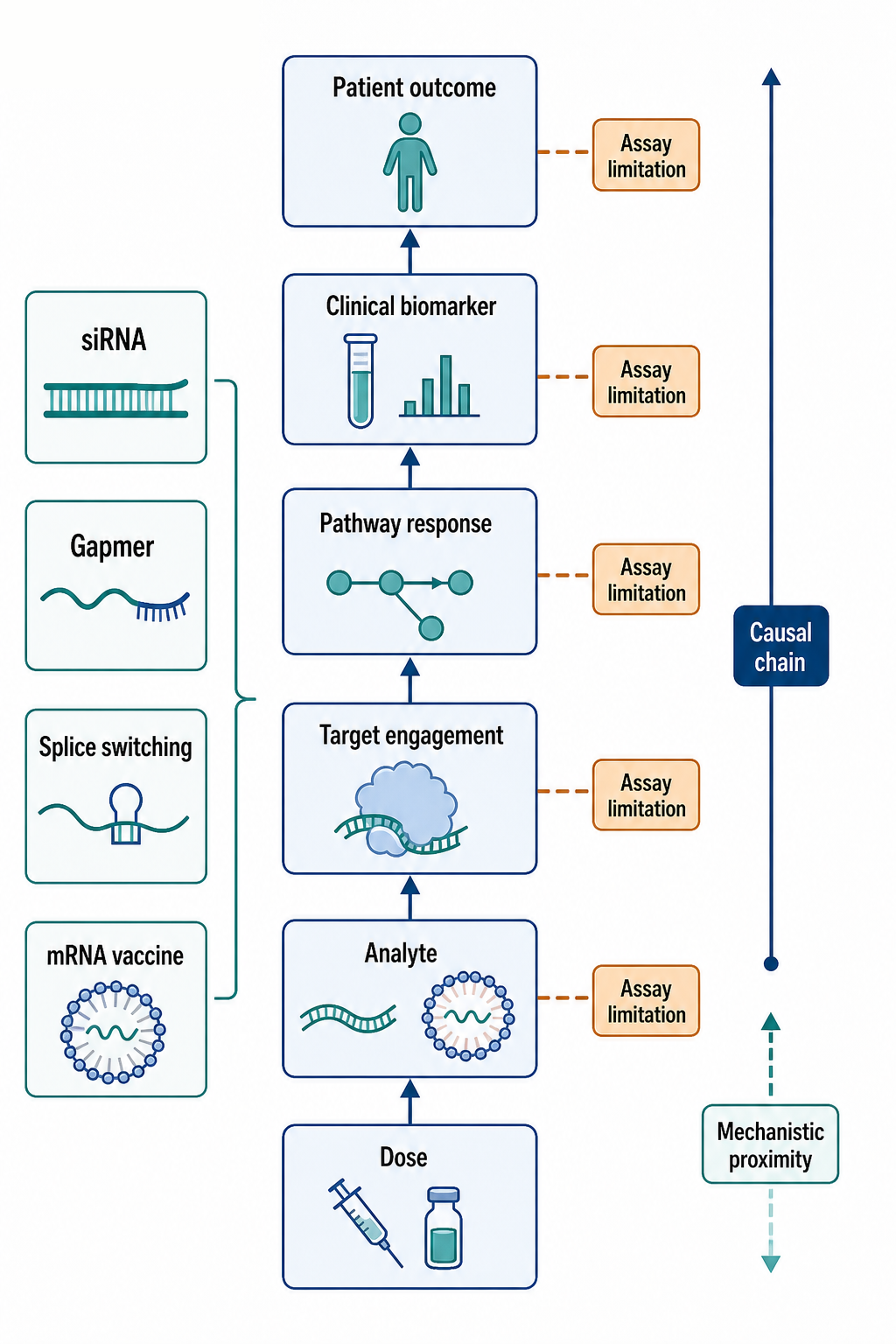
Figure 158.2. Evidence Ladder from Target Engagement to Clinical Outcome. Pharmacodynamic evidence becomes stronger when dose, analyte, target engagement, pathway response, clinical biomarker, and patient outcome are linked by a plausible causal chain.
Box 158.2. From Biomarker to Causal Inference
Strong PD interpretation works like chain of custody. A biomarker is most convincing when the change follows dose and time, appears in the relevant tissue or a validated surrogate compartment, aligns with target biology, and predicts a downstream outcome with a plausible lag. For a GalNAc-siRNA, serum protein lowering is strongest when the protein is mainly hepatocyte-produced, target RNA knockdown precedes protein decline, and recovery follows target and protein turnover. For a splice-switching oligonucleotide, a splice isoform shift needs orthogonal confirmation and protein or functional readouts. For an mRNA vaccine, antibody titer is an immune correlate; antigen match, T-cell biology, and clinical protection still matter. Do not call a biomarker a surrogate endpoint unless evidence supports substituting it for clinical outcome in that context. Otherwise name it as mechanistic, pathway, safety, or exploratory.
Biomarkers for RNA drugs fall into several layers. Molecular biomarkers measure the immediate intended effect, such as target RNA knockdown, exon inclusion, edited RNA fraction, or encoded protein expression. Pathway biomarkers measure biological consequences, such as reduced toxic protein, lowered inflammatory mediator, restored enzyme activity, or antigen-specific B-cell and T-cell responses. Clinical biomarkers measure patient-relevant physiology, such as serum transthyretin, low-density lipoprotein cholesterol, clotting factor activity, viral load, tumor antigen response, or functional motor scale. Safety biomarkers measure injury or immune activation, such as alanine aminotransferase, serum creatinine, urinary injury markers, platelet count, complement split products, cytokines, or anti-drug antibodies. The best development programs state which layer each biomarker occupies and how it is expected to connect to clinical benefit or risk.
Exposure-response analysis links the administered dose or measured exposure to PD and clinical outcomes. RNA drugs often produce nonlinear or delayed responses. Receptor-mediated uptake can saturate. Intracellular loading into RISC may be rate-limiting. Target RNA turnover and target protein half-life can create a delay between intracellular drug exposure and observable biomarker change. Immune responses may show priming and boosting rather than simple concentration-response behavior. A single maximal concentration value may be less informative than area under the curve, tissue concentration, duration above an intracellular threshold, or cumulative dose.
Table 158.2. Biomarker Layers for RNA Drug Pharmacodynamics. Biomarkers differ in mechanistic proximity. A strong development program states how each biomarker connects to target engagement, clinical effect, or safety.
| Biomarker layer | Example readouts | Applicable modalities | Evidence strength | Main assay limitations | Decision use in development |
|---|---|---|---|---|---|
| Product exposure | Parent oligonucleotide, guide strand, intact mRNA, lipid component, conjugated ligand, metabolite profile | All RNA-drug formats | Strong for PK when the analyte and matrix are defined; weak as direct proof of intracellular action | Assay cross-reactivity with metabolites, matrix effects, poor cell-type resolution, difficulty separating encapsulated from released RNA | Select dose range, compare formulations, support toxicokinetics, and bridge manufacturing changes |
| Molecular target engagement | Target RNA cleavage, splice isoform shift, edited RNA fraction, RISC-loaded guide, encoded protein expression | siRNA, antisense, splice-switching, editing, mRNA, and vaccine products | Strongest when measured in the relevant tissue or validated surrogate compartment | Tissue access limits, isoform ambiguity, timing mismatch, primer or probe bias, heterogeneous cell uptake | Establish proof of mechanism and choose biologically active dose |
| Pathway pharmacodynamics | Reduced toxic protein, restored enzyme activity, antigen presentation, interferon-stimulated genes, pathway mediator change | All modalities, with endpoint chosen by mechanism | Intermediate; convincing when pathway biology links the molecular event to clinical effect | Compensatory biology, target-protein half-life, nonspecific inflammation, baseline disease activity | Define duration, dose interval, response threshold, and reversibility |
| Clinical biomarker or surrogate | Serum transthyretin, LDL cholesterol, clotting factor activity, viral load, tumor response marker, motor or functional scale | Disease-modifying oligonucleotides, mRNA therapeutics, vaccines, and cancer RNA products | High when the marker is validated or tightly linked to patient benefit; otherwise contextual | Slow response, comedications, disease heterogeneity, sampling frequency, uncertain surrogate validity | Support go/no-go decisions, pivotal endpoints, accelerated pathways, and labeling claims |
| Safety and immunogenicity marker | Alanine aminotransferase, serum creatinine, urinary kidney injury marker, platelet count, complement split products, cytokines, ADA, anti-PEG antibodies | Especially repeat-dose, particle, PEG-containing, systemic, intrathecal, ocular, and vaccine products | Strong for risk management when timed with exposure and clinical signs | Baseline inflammation, sample handling, transient peaks, drug interference, assay format artifacts | Set stopping rules, monitoring schedules, risk mitigation, and post-market commitments |
Duration of effect is one of the defining pharmacologic features of RNA therapeutics. Some siRNA and antisense programs use infrequent dosing because intracellular active species persist and because the target protein turns over slowly. A short plasma half-life can coexist with a long PD half-life. Conversely, an mRNA therapy intended for protein replacement may need repeated dosing if the encoded protein is short-lived or if sustained expression is required. Vaccines are a special case: mRNA expression is transient, but the desired PD endpoint is durable adaptive immunity. In that setting, the active pharmacology shifts from RNA translation to immune memory, and the relevant durability endpoints include antibody quality, memory B cells, T-cell responses, breakthrough disease, and waning protection. [reference_target_CITE: clinical pharmacology review for siRNA/ASO durability; reference_target_CITE: mRNA vaccine immune durability review]
Reversibility is both a safety concept and a therapeutic design feature. A reversible RNA drug effect can be advantageous when the target pathway must not be suppressed permanently. However, reversibility is not guaranteed simply because RNA is degradable. A chemically stabilized oligonucleotide may persist in tissue; a target protein may take weeks to recover; an immune response can persist for years; and tissue damage caused by excessive pharmacology may not reverse when the drug is cleared. For gene-editing or RNA-editing approaches, reversibility depends on the type of edit, the lifetime of edited RNA or altered protein, and whether the editing system also affects DNA or persistent cellular states. [reference_target_CITE: RNA editing therapeutics safety and reversibility review]
Assay design determines how convincing a PD claim is. Quantitative reverse transcription PCR can measure target RNA, but primer design may miss transcript isoforms or fail to distinguish unspliced from spliced RNA. RNA sequencing can reveal transcriptome-wide effects but has library preparation biases, depth limitations, and tissue sampling limits. Digital PCR can quantify rare edited molecules or splice isoforms but requires careful controls. Immunoassays can measure proteins but may detect precursor, mature, bound, or modified forms differently. Functional assays can be closest to clinical meaning but may be less specific to the RNA drug mechanism.
Tissue sampling is a recurring limitation. Liver-directed drugs often use serum biomarkers because repeated liver biopsies are impractical. Neurological oligonucleotide therapies may use cerebrospinal fluid biomarkers, neurofilament markers, imaging, or clinical scales rather than repeated brain tissue. Muscle disease trials may use muscle biopsy, but sampling one muscle region may not represent whole-body delivery. Tumor-directed RNA therapies face heterogeneity in vascular permeability, immune infiltration, necrosis, and target expression. Biomarker interpretation must therefore include the anatomical source of the sample.
The evidence logic for dose selection usually progresses from in vitro potency to animal pharmacology, animal toxicology, first-in-human dose selection, early clinical biomarker response, and later clinical outcome. For first-in-human studies, dose rationale may use the no-observed-adverse-effect level from toxicology, the minimal anticipated biological effect level from pharmacology, or a hybrid approach. RNA drugs that produce potent pathway effects may require particular caution when the target has essential functions, when patient populations are fragile, or when immune stimulation is expected. Dose escalation should specify stopping rules, sentinel dosing, immune monitoring, and biomarker-based decisions when appropriate. [reference_target_CITE: regulatory clinical pharmacology guidance for oligonucleotides and RNA products]
Common misconceptions arise from imprecise words. “Knockdown” should not be used without stating whether it refers to RNA, protein, activity, or clinical phenotype. “Delivery” should not be used without stating whether the drug entered tissue, entered cells, escaped endosomes, loaded into an effector complex, or produced protein. “Durable” should not be used without stating the endpoint and the time scale. “Exposure-response” should not imply that plasma parent drug is the relevant exposure unless the relationship has been shown. A precise PD narrative ties dose, analyte, tissue, molecular action, biomarker, clinical endpoint, and reversibility into one causal chain.
158.3. Innate Immune Sensing, Cytokines, Complement, Anti-Drug Antibodies, Anti-PEG Responses, and Repeat Dosing
RNA is an immune signal as well as an information molecule. Mammalian cells use pattern-recognition receptors to detect viral RNA, damaged self RNA, double-stranded RNA, uncapped RNA, 5′-triphosphate RNA, unusually modified RNA, RNA in the wrong compartment, and RNA-containing particles. Therapeutic RNA must therefore be designed, purified, formulated, dosed, and monitored with immune sensing in mind. The goal is not always to eliminate immune activation. Vaccines often require innate stimulation to support adaptive immunity, whereas protein-replacement mRNA, gene-editing guides, or chronic siRNA therapy usually aim to minimize inflammatory responses that reduce tolerability or repeat-dose feasibility.
Box 158.3. When Immune Activation Is Signal, Noise, or Toxicity
The same cytokine increase can mean different things. In a prophylactic mRNA vaccine, short-lived local cytokines and interferon-stimulated genes may support antigen presentation and adaptive immunity if reactogenicity is acceptable. In a chronic mRNA protein-replacement product, a similar response may suppress translation, worsen tolerability, and make repeat dosing harder. In an LNP product, complement split products or anti-PEG antibodies may point to particle surface biology rather than RNA sensing. In a conjugated oligonucleotide, an anti-targeting-ligand antibody may change PK without proving loss of target RNA knockdown. Interpret immune data by asking: What immune role is intended? When and where was the signal measured? Did clinical signs occur? Did exposure, PD, efficacy, or redosing change? Labeling all findings as “inflammation” hides the mechanism and can lead to the wrong mitigation strategy.
The main innate RNA-sensing systems include endosomal Toll-like receptors such as TLR3, TLR7, and TLR8; cytosolic RIG-I-like receptors such as RIG-I and MDA5; double-stranded RNA-activated protein kinase PKR; the OAS/RNase L pathway; and inflammasome-linked responses in some settings. These systems differ in ligand specificity, cell type expression, subcellular location, and downstream cytokine programs. Endosomal TLR7 and TLR8 are especially relevant for single-stranded RNA in immune cells. RIG-I preferentially detects short double-stranded or structured RNA with 5′-triphosphate or diphosphate ends. MDA5 detects longer double-stranded RNA. PKR can inhibit translation in response to double-stranded RNA. OAS enzymes synthesize 2-5A molecules that activate RNase L, causing RNA degradation. [reference_target_CITE: innate RNA sensing review; reference_target_CITE: therapeutic RNA immune activation review]
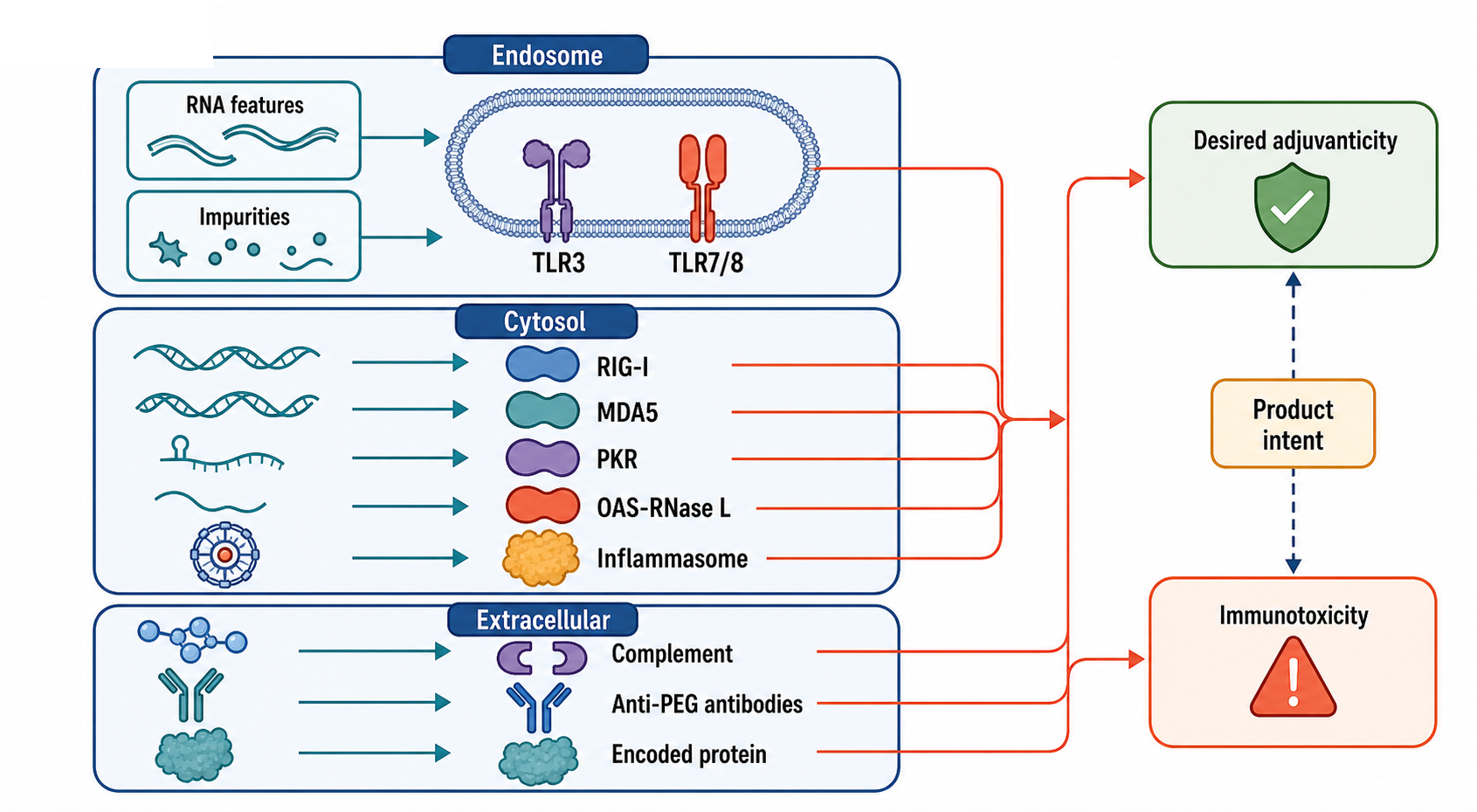
Figure 158.3. Immune Recognition Routes for Therapeutic RNA Products. RNA products can activate immune pathways through RNA sequence or structure, impurities, delivery materials, encoded proteins, complement, and adaptive antibodies. Desired vaccine adjuvanticity and unwanted immunotoxicity must be interpreted by product intent.
Therapeutic design can reduce unwanted sensing at several levels. Nucleoside modification, such as incorporation of pseudouridine or N1-methylpseudouridine in some mRNA products, can reduce innate sensing and improve translation, although the effect depends on RNA sequence, purity, cell type, formulation, and assay. Proper capping reduces recognition of uncapped or improperly capped RNA. Removal of double-stranded RNA contaminants from in vitro transcription products can reduce type I interferon induction and improve translation. Sequence optimization can reduce immunostimulatory motifs. Chemical modifications in siRNA and antisense oligonucleotides can reduce TLR activation, but modifications also change potency, distribution, protein binding, and sometimes toxicity. [reference_target_CITE: modified nucleoside and dsRNA impurity mRNA immune sensing papers]
Cytokine release is a clinical and mechanistic endpoint. Cytokines such as interferon-alpha, interferon-beta, interleukin-6, tumor necrosis factor, interleukin-1 family cytokines, chemokines, and interferon-stimulated gene products can indicate innate activation. Mild transient cytokine responses may be expected for vaccines, but excessive or persistent responses can cause fever, chills, hypotension, malaise, liver enzyme elevations, lymphopenia, or exacerbation of inflammatory disease. Cytokine measurement is difficult because time of sampling, specimen handling, assay platform, baseline inflammation, age, infection status, and concomitant medications all affect interpretation. A negative cytokine panel at a late time point does not prove absence of early innate activation.
Complement activation is a distinct safety mechanism. The complement system can be triggered by particles, aggregates, immune complexes, surface chemistries, or pre-existing antibodies. Complement activation can produce anaphylatoxins, opsonization, vascular effects, and infusion reactions. Complement activation-related pseudoallergy is a non-IgE-mediated acute reaction described for some nanoparticle and liposome products and is conceptually relevant to RNA particles. LNP composition, PEG-lipid content, particle size, dose rate, route, and patient susceptibility can influence risk. Complement assays may measure C3a, C5a, Bb, SC5b-9, CH1050, or ex vivo activation, but no single assay perfectly predicts clinical reactions. [reference_target_CITE: nanoparticle complement activation and CARPA review; reference_target_CITE: RNA LNP complement clinical monitoring]
Table 158.3. Immunogenicity and Innate Immune Assay Interpretation. Immune assays for RNA drugs are mechanism-specific and vulnerable to timing, matrix, drug interference, and product-format artifacts.
| Mechanism | Typical analytes or assays | Likely product drivers | Clinical signals | Common artifacts | Repeat-dose implication |
|---|---|---|---|---|---|
| Endosomal RNA sensing by TLR3, TLR7, or TLR8 | Cytokines, chemokines, interferon-stimulated genes, ex vivo immune-cell assays | Single-stranded RNA motifs, double-stranded RNA, uncapped or improperly capped RNA, impurities, immune-cell particle uptake | Fever, chills, malaise, injection-site inflammation, lymphopenia, liver enzyme changes | Late sampling, donor variability, endotoxin or dsRNA contamination, cell-type mismatch | May be useful for vaccines but can limit chronic or repeat RNA therapy tolerability |
| Cytosolic RNA sensing by RIG-I, MDA5, PKR, or OAS/RNase L | Type I interferon markers, phosphorylated eIF2-alpha, RNase L activity, translation inhibition, RNA decay signatures | 5′-triphosphate or diphosphate RNA, long dsRNA, high cytosolic RNA burden, inadequate capping or purification | Reduced mRNA translation, flu-like symptoms, inflammatory safety signals, loss of protein expression | Transfection artifacts, nonphysiologic cell models, RNA purity differences, assay timing effects | Repeated activation can suppress translation, change exposure-response, or require dose-spacing changes |
| Complement activation and CARPA-like reactions | C3a, C5a, Bb, SC5b-9, CH1050, ex vivo whole-blood complement assays | Particles, aggregates, PEG lipids, surface chemistry, immune complexes, infusion rate, dose | Flushing, dyspnea, hypotension, chest or back discomfort, acute infusion reaction | Anticoagulant and handling effects, poor ex vivo to in vivo predictivity, baseline complement variability | May require infusion-rate controls, premedication, sentinel dosing, or repeat-dose monitoring |
| Adaptive anti-drug antibodies to product component or encoded protein | Screening, confirmatory, titer, isotype, and neutralization assays with PK and PD correlation | Encoded therapeutic protein, targeting peptide or antibody fragment, aptamer, conjugate, impurities, inflammatory context | Loss of efficacy, hypersensitivity, altered exposure, cross-reactivity with endogenous protein in susceptible patients | Drug interference, matrix effects, low assay drug tolerance, difficulty distinguishing binding from neutralizing antibodies | Can restrict chronic dosing, require neutralization testing, or change patient selection and monitoring |
| Anti-PEG or anti-delivery-material antibodies | Anti-PEG IgG or IgM assays, delivery-material binding assays, complement-fixation tests, clearance changes | PEG lipids, PEGylated surfaces, prior PEG exposure, repeated particle dosing | Accelerated clearance, lower exposure, infusion or injection reactions, variable response | Nonspecific binding, uncertain clinical relevance of pre-existing titers, assay-format artifacts | May alter redosing feasibility, motivate PEG-lipid redesign, or require exposure and reaction monitoring |
| Cytokine-release and systemic inflammatory response | Multiplex cytokine panels, body temperature, C-reactive protein, immune-cell counts, clinical chemistry | Innate sensing, delivery material, immune-cell activation, high dose, pre-existing inflammation | Fever, chills, hypotension, malaise, inflammatory flare, transient laboratory abnormalities | Sparse time points, circadian and infection effects, specimen handling, comedications | Repeat dosing may show priming, adaptation, or cumulative tolerability limits depending on product profile |
Adaptive anti-drug antibodies are more familiar for protein biologics, but RNA drug products can still induce antibody responses against components of the product or encoded protein. An mRNA product encoding a therapeutic protein may induce antibodies against the expressed protein, especially if the patient lacks immune tolerance because of a genetic deficiency. A conjugated oligonucleotide can elicit antibodies against a peptide, antibody fragment, aptamer, or other targeting moiety. Repeated exposure to PEG-containing particles can induce or boost anti-PEG antibodies in some individuals. Anti-PEG antibodies may alter PK, reduce exposure, increase infusion or injection reactions, or complicate repeat dosing, but the clinical significance depends on titer, isotype, complement-fixing capacity, product design, and route.
Immunogenicity assays must be interpreted with drug tolerance and matrix effects in mind. A bridging immunoassay can miss antibodies when circulating drug interferes with antibody binding. Anti-PEG assays can suffer from nonspecific binding and assay-format artifacts. Neutralizing antibody assays are harder than binding antibody assays because they must test whether antibodies alter function, uptake, translation, or efficacy. For encoded proteins, the assay may need to distinguish antibodies against the therapeutic protein from antibodies against endogenous homologs. A well-designed immunogenicity program includes screening, confirmation, titer, neutralization when relevant, time course, clinical correlation, and assessment of effects on PK, PD, efficacy, and safety.
Repeat dosing is where many immune liabilities become clinically important. A first dose can prime innate and adaptive responses that change the response to later doses. Anti-PEG antibodies may accelerate clearance of PEGylated particles or increase reactogenicity. Innate immune activation can reduce mRNA translation by inducing interferon-stimulated antiviral states. Local injection-site inflammation can change absorption. Conversely, tolerance-like or adaptation responses may reduce some innate responses after repeated exposure. The development plan should therefore include repeat-dose animal toxicology and clinical monitoring aligned with the intended dosing schedule, not only single-dose tolerability.
Route and patient population matter. Intrathecal oligonucleotides are evaluated for cerebrospinal fluid inflammation, meningitis-like symptoms, neurologic adverse events, and procedure-related complications. Intravitreal RNA drugs must address ocular inflammation, intraocular pressure, retinal effects, and local immunogenicity. Inhaled RNA products must account for airway epithelium, mucus, macrophages, and pre-existing lung inflammation. Vaccines are administered to healthy populations, often at very large scale, so rare immune adverse events and post-market surveillance have particular importance. Chronic therapies for rare diseases may involve children, immunocompromised patients, or patients with advanced organ disease; these contexts alter immune risk tolerance and monitoring.
The boundary between desired immunostimulation and unwanted immunotoxicity is a design decision. For an infectious-disease vaccine, transient innate activation can support antigen presentation and adaptive immunity. For an mRNA enzyme replacement therapy, the same interferon response can inhibit translation and cause systemic symptoms. For a cancer immunotherapy, immune activation may be part of the mechanism but can also cause inflammatory toxicity. For a liver-directed siRNA, immune activation is usually off-mechanism and undesirable. A clear product profile states which immune responses are intended, which are tolerated, and which are adverse.
158.4. Genotoxicity, Reproductive Toxicity, Off-Target Risk, Tissue Accumulation, and Long-Term Safety
RNA drugs are not usually expected to be classical DNA-reactive mutagens, but that does not remove the need for genetic toxicology reasoning. Genotoxicity means damage to genetic material or processes that increase mutation, chromosomal damage, or heritable change. Most antisense oligonucleotides, siRNAs, and mRNAs do not integrate into DNA and do not directly alkylate or intercalate DNA. However, genetic safety assessment may still be relevant when a product includes editing machinery, viral or integrating components, DNA templates, reverse-transcription risk, or persistent expression systems. It may also matter when off-target pharmacology affects DNA repair, cell cycle control, genome stability, or germline development. [reference_target_CITE: regulatory genotoxicity expectations for oligonucleotides and RNA editing products]
Off-target risk has at least four meanings for RNA drugs. Hybridization-dependent off-targeting occurs when an antisense oligonucleotide, siRNA guide strand, or guide RNA binds partially complementary unintended transcripts. Pathway off-targeting occurs when intended target modulation perturbs other pathways in harmful ways. Chemistry-driven off-targeting occurs when a backbone or modification binds proteins nonspecifically or activates receptors independent of sequence. Delivery-system off-targeting occurs when particles or conjugates expose non-target tissues. These categories require different assays. Transcriptome sequencing can detect many RNA expression changes, but it cannot by itself prove direct hybridization. In silico complementarity screens can prioritize risks but may miss structural accessibility, cell-type expression, RNA editing, isoforms, and species differences.
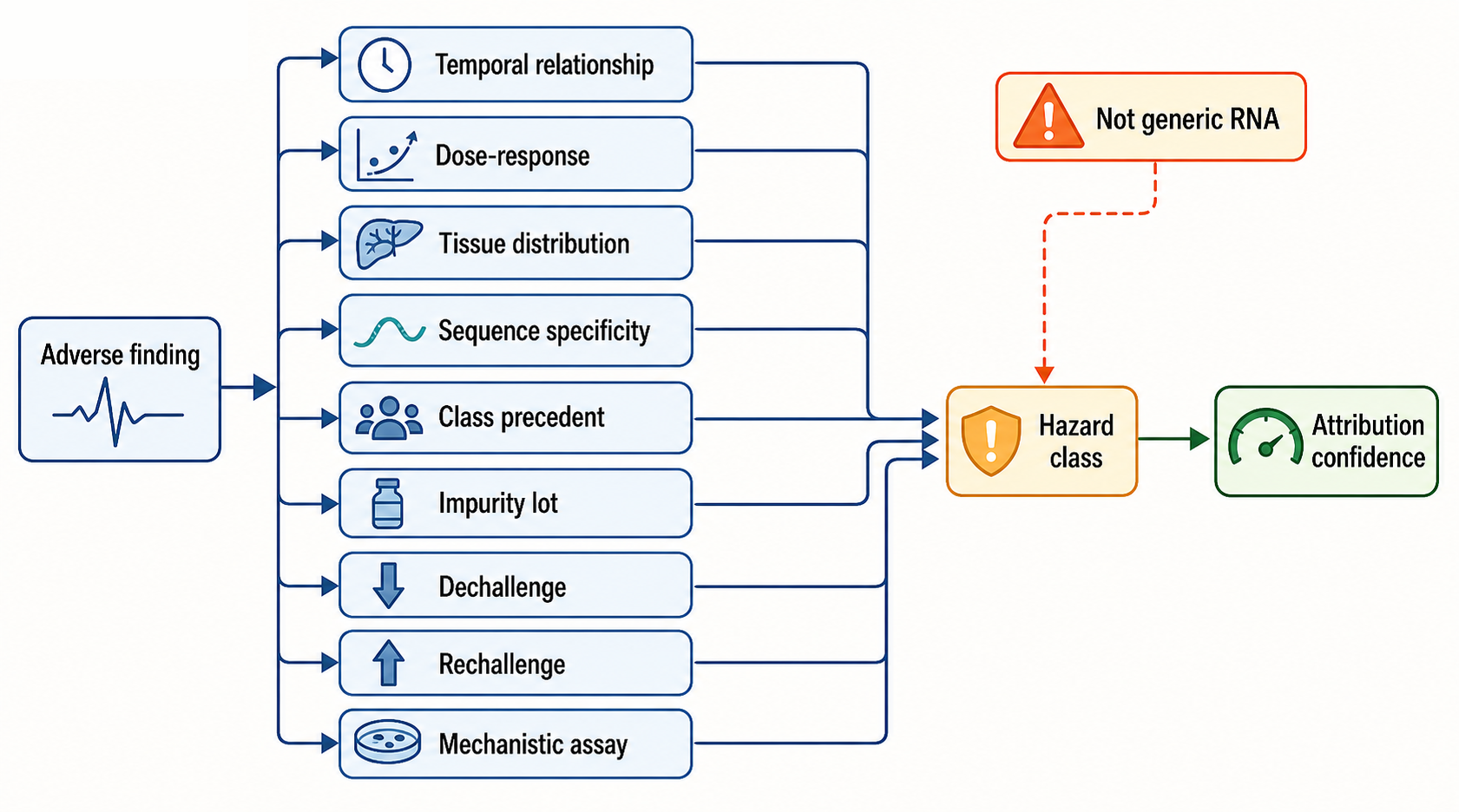
Figure 158.4. Safety Hazard Attribution for RNA Drugs. RNA-drug toxicology is most interpretable when adverse findings are attributed to plausible hazard classes rather than assigned generically to “RNA.”
siRNA off-targeting often resembles microRNA-like seed effects, in which partial complementarity between the guide strand seed region and unintended transcripts changes expression. Chemical modification, strand selection design, seed-region modification, dose reduction, and transcriptome profiling can reduce risk. Antisense gapmers can cause hybridization-dependent cleavage of unintended RNAs if sufficient complementarity and RNase H recruitment occur. High-affinity modifications can increase potency but may also increase off-target binding or protein interactions if not carefully designed. mRNA products have a different off-target profile: the encoded protein, translated product variants, innate immune activation, or biodistribution to unintended tissues may be more important than base-pairing with endogenous RNAs.
Tissue accumulation is a major long-term safety issue for some RNA modalities. A drug that accumulates in liver, kidney, spleen, lymph nodes, or injection-site tissue can produce safety findings that emerge only after repeated dosing. Phosphorothioate oligonucleotides can bind many plasma and cellular proteins, and some chemistries have been associated with class-specific liver, kidney, immune, complement, coagulation, or platelet findings. Morpholino and peptide-conjugated oligonucleotides have different distribution and toxicity profiles. LNP components can accumulate transiently or persist depending on lipid biodegradability, dose, and clearance. The safety question is not merely whether RNA degrades, but whether all product components and pharmacologic effects resolve on a clinically acceptable time scale.
Table 158.4. Long-Term Safety Questions for RNA Drugs. Long-term safety evaluation separates genetic, reproductive, off-target, accumulation, immune, and route-specific risks so that monitoring matches the plausible mechanism.
| Hazard category | Modalities most affected | Evidence sources | Monitoring examples | Boundary cases |
|---|---|---|---|---|
| Hybridization-dependent off-targeting | siRNA, antisense oligonucleotides, guide RNAs, splice-switching oligonucleotides | In silico complementarity screens, seed-effect analysis, transcriptome profiling, orthogonal RNA or protein assays | Unintended RNA changes, pathway biomarkers, tissue-specific safety signals | Expression change is not proof of direct hybridization; tissue, dose, timing, and annotation limit detection |
| Exaggerated on-target pharmacology | Sequence-specific knockdown, splice correction, editing, or protein-expression products | Target biology, human genetics, animal pharmacology, cross-reactive or surrogate molecules, pathway biomarkers | Excessive target suppression, delayed recovery, organ-function markers, clinical disease worsening | A nonbinding toxicology species can miss on-target human risk |
| Chemistry-driven class toxicity | Phosphorothioate oligonucleotides, high-affinity modified gapmers, peptide-conjugated morpholinos, other synthetic backbones | Repeat-dose toxicology, protein-binding data, organ histopathology, clinical pathology, class precedent | Liver enzymes, renal tubular markers, platelet or coagulation changes, complement or immune-cell changes | Class precedent differs by backbone, sugar modification, stereochemistry, sequence, and dose |
| Delivery-system or lipid toxicity | LNP-mRNA, LNP-siRNA, polymer, peptide, antibody, viral-like, or exosome-inspired products | Biodistribution, lipid or carrier clearance, cytokine and complement assays, repeat-dose toxicology | Inflammation, liver enzyme changes, spleen or lymph node changes, injection-site findings, infusion reactions | RNA cargo signal, lipid signal, protein expression, and pharmacologic effect can diverge |
| Immunogenicity and immune memory | mRNA vaccines and therapeutics, encoded-protein products, PEG-containing particles, conjugated oligonucleotides | Cytokine panels, complement assays, ADA and anti-PEG assays, neutralization assays, clinical correlation | Reactogenicity, loss of exposure or efficacy, hypersensitivity, accelerated clearance, durable antibody responses | Desired vaccine adjuvanticity can be an adverse mechanism for chronic replacement therapy |
| Reproductive, developmental, and pediatric risk | Products used before conception, during pregnancy, in lactation, or chronically in children | Target biology, DART studies, placental or lactational exposure, pediatric toxicology, pregnancy registries | Fertility effects, embryo-fetal findings, growth, neurodevelopment, immune maturation, maternal inflammation | Maternal benefit-risk, passive antibody transfer, and target biology can dominate over fetal drug exposure |
| Genotoxicity, editing, and persistence | RNA editing systems, gene-editing payloads, persistent expression systems, products with DNA template contaminants | Genetic toxicology rationale, off-target editing assays, residual DNA testing, integration or persistence studies when relevant | Mutation or chromosomal-damage endpoints when mechanistically plausible, germline exposure assessment | Nonintegrating ASO, siRNA, and mRNA products are not classical DNA-reactive mutagens, but this is not a blanket waiver |
| Route-specific local toxicity | Intrathecal, intracerebroventricular, intravitreal, inhaled, intramuscular, subcutaneous, or topical RNA products | Local tolerance studies, CSF or ocular exams, respiratory endpoints, histopathology, procedure adverse-event review | CSF pleocytosis, neurologic signs, ocular inflammation, airway irritation, injection-site inflammation | Low systemic exposure does not prove local compartment safety or uniform local delivery |
Reproductive and developmental toxicology evaluates effects on fertility, embryo-fetal development, birth, lactation, and postnatal development. RNA drug assessment must consider whether the target pathway is important in reproduction or development, whether the product or components cross the placenta, whether dosing occurs before conception or during pregnancy, and whether product-related inflammation affects pregnancy. A liver-directed siRNA against an adult disease target may have low fetal exposure but still requires target biology assessment. An mRNA vaccine or therapeutic administered during pregnancy raises different questions about maternal immune activation, placental exposure, fetal exposure to encoded protein, and passive antibody transfer. Pediatric development adds growth, organ maturation, neurodevelopment, immune maturation, and long treatment duration.
General toxicology integrates clinical observations, clinical pathology, histopathology, organ weights, immunophenotyping, electrocardiography or respiratory endpoints when relevant, and local tolerance. For oligonucleotides, kidney and liver findings are common focus areas because these organs can have high exposure. Urinary biomarkers may detect proximal tubule stress earlier than serum creatinine, but biomarker qualification and species translation matter. Platelets, coagulation, complement, and immune cell changes may be monitored depending on chemistry and prior class knowledge. For LNP products, liver enzymes, inflammatory markers, injection-site pathology, spleen and lymph node changes, and lipid-related tissue effects can be relevant. For intrathecal products, central nervous system histopathology and cerebrospinal fluid findings are important. [reference_target_CITE: nonclinical safety assessment review for oligonucleotide therapeutics; reference_target_CITE: LNP-mRNA nonclinical toxicology review]
Species selection is unusually challenging. A sequence-specific drug may be pharmacologically active in humans but not in rats or monkeys because the target RNA sequence differs. Toxicology in a nonbinding species can still reveal chemistry- or delivery-related toxicity, but it cannot reveal on-target exaggerated pharmacology. A cross-reactive sequence, surrogate molecule, transgenic model, or disease model may be needed. Conversely, animal models may overpredict immune activation if receptor expression or RNA sensing differs from humans. For vaccines, species can differ in innate sensing, antigen processing, and immune repertoire. Regulatory interpretation therefore separates product-related hazards that are species-independent from pharmacology-dependent risks that require a relevant target system.
Long-term safety also includes durability of benefit and harm. A drug that lowers a toxic protein for months may be useful, but excessive suppression of a physiological protein can create delayed adverse effects. A product that induces persistent antibodies may affect future therapy, pregnancy, transfusion, transplant, or autoimmunity risk in rare cases. A delivery material that changes immune memory or tissue macrophage states may have consequences that are not captured by short toxicology studies. A product given to healthy people, such as a prophylactic vaccine, requires a different risk tolerance than a product for a rapidly fatal rare disease. Long-term follow-up should be proportional to modality, persistence, patient population, and novelty.
Risk management begins before toxicology. Bioinformatic off-target screens, chemistry selection, impurity control, cell-based cytokine assays, complement assays, species cross-reactivity analysis, receptor expression mapping, biodistribution studies, and early PD biomarkers can all reduce late surprises. However, preclinical tools are not perfect predictors. The mature safety case is cumulative: design rationale, in vitro data, animal data, clinical monitoring, dose-response, dechallenge and rechallenge information when ethical, mechanistic follow-up, and post-market evidence.
158.5. Regulatory Pathways, CMC Expectations, Platform Evidence, Trial Design, Labeling, and Post-Market Surveillance
Regulatory science for RNA drugs asks whether a particular product, made by a particular process, with a particular quality profile, has acceptable evidence of safety, efficacy, and manufacturing control for a defined use. The same broad modality can enter different regulatory pathways depending on jurisdiction, product type, indication, and mechanism. An siRNA drug, an antisense oligonucleotide, an mRNA vaccine, an individualized cancer vaccine, and an RNA editing system may be reviewed under different statutory categories and guidance traditions. The scientific dossier, however, always connects product quality, nonclinical evidence, clinical pharmacology, clinical efficacy, safety, labeling, and lifecycle management.
Chemistry, manufacturing, and controls are central because small changes in RNA products can change pharmacology. CMC covers raw materials, synthesis or transcription, purification, identity, strength, purity, impurities, potency, formulation, container closure, stability, comparability, and batch release. For oligonucleotides, critical quality attributes may include sequence identity, length distribution, stereochemical composition when relevant, phosphorothioate content, sugar modification pattern, conjugation status, residual solvents, elemental impurities, endotoxin, bioburden, and degradation products. For mRNA products, attributes include template quality, RNA length, cap structure, poly(A) tail, modified nucleoside content, double-stranded RNA impurities, residual DNA, residual enzymes, residual nucleotides, endotoxin, encapsulation efficiency, particle size, lipid composition, potency, and stability. [reference_target_CITE: CMC guidance/review for oligonucleotide therapeutics; reference_target_CITE: CMC guidance/review for mRNA vaccines and therapeutics]
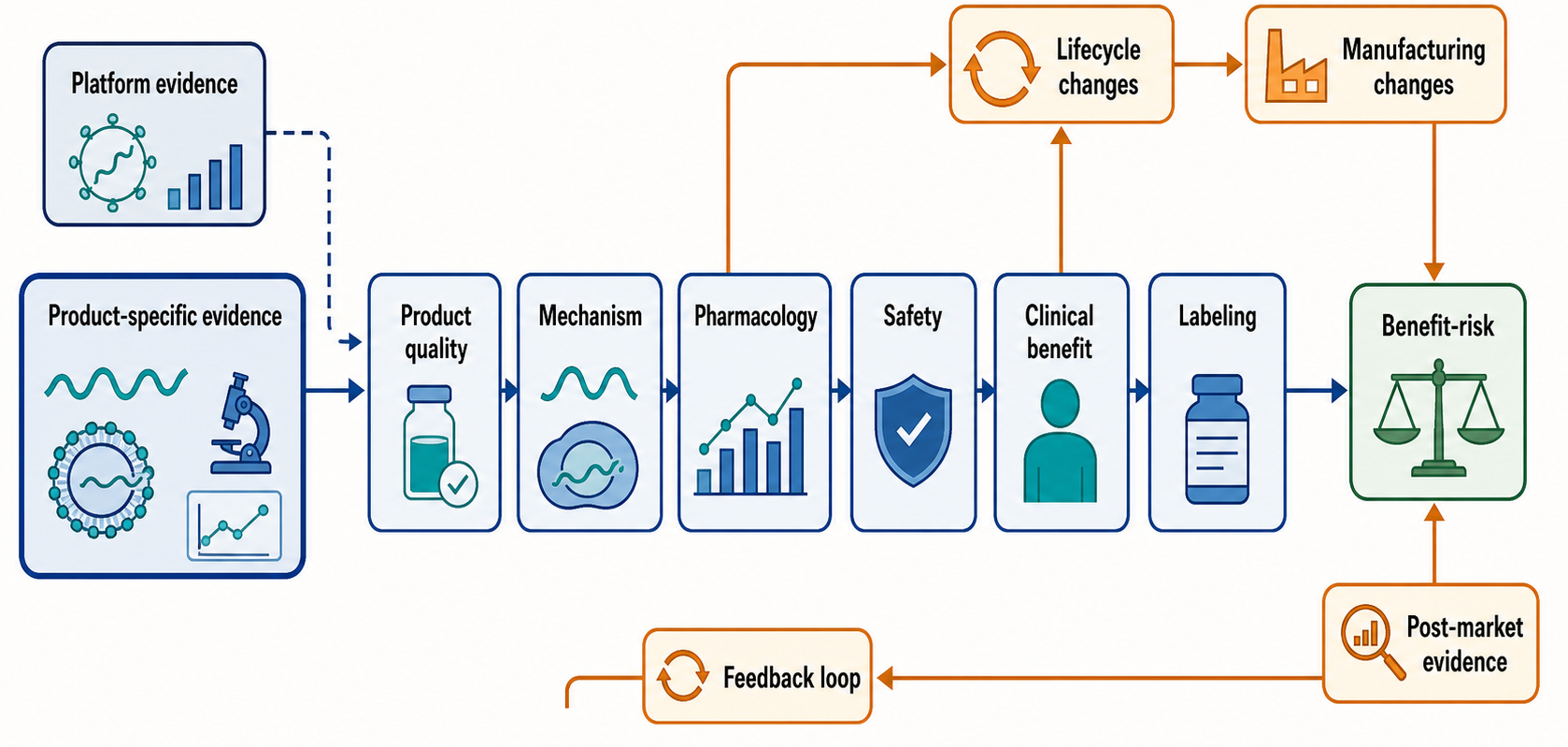
Figure 158.5. Regulatory Evidence Flow for an RNA Drug. Regulatory evidence for RNA drugs links product quality to pharmacology, safety, clinical benefit, labeling, lifecycle changes, and post-market learning.
Potency assays are a frequent bottleneck. A potency assay should measure a product attribute linked to biological activity, not merely identity. For a GalNAc-siRNA, a cell-based knockdown assay may be closer to function than a hybridization identity assay, but cell assays can be variable and may not reflect hepatocyte uptake in vivo. For an mRNA vaccine, potency may involve in vitro translation, antigen expression, immunochemical detection, particle integrity, or animal immunogenicity depending on development stage and regulatory expectations. For an RNA editing product, potency might require editing efficiency, guide integrity, enzyme activity, and off-target assessment. The assay must be robust enough for release or characterization and meaningful enough to support comparability.
Comparability is the regulatory problem of showing that manufacturing changes do not create clinically meaningful differences. RNA platforms often evolve rapidly: improved purification, new ionizable lipids, altered PEG lipids, different scale, new analytical methods, new cap analogs, or modified sequence design algorithms. A comparability plan may combine analytical characterization, potency, stability, nonclinical bridging, and sometimes clinical bridging. Platform experience can support the plan, but regulators still evaluate whether the change could alter biodistribution, immunogenicity, potency, impurity profile, or safety for the specific product.
Platform evidence is useful but bounded. A sponsor may have repeated experience with a phosphorothioate gapmer chemistry, a GalNAc-siRNA scaffold, an LNP composition, or an mRNA manufacturing process. That experience can inform starting doses, expected tissue distribution, impurity controls, assay development, and monitoring plans. Yet a new sequence can have new off-targets; a new target can have new biology; a new patient population can have new vulnerability; a new route can create new local toxicity; and a new lipid can change biodistribution. Platform evidence is strongest for shared manufacturing and class properties and weaker for target-specific efficacy or rare adverse events.
Clinical trial design depends on disease severity, endpoint maturity, biomarker validity, dosing frequency, reversibility, and feasible controls. Rare disease trials may use small populations, natural history data, surrogate endpoints, adaptive designs, or accelerated approval pathways when the disease is serious and biomarkers are reasonably likely to predict clinical benefit. Common disease trials may need large randomized outcome studies. Vaccine trials must address immune endpoints, clinical protection, safety in healthy populations, variant or strain changes when relevant, and lot consistency. Individualized RNA cancer vaccines raise additional issues: patient-specific manufacturing timelines, individualized sequences, combination therapy, immune monitoring, and defining the regulated product when each patient receives a distinct RNA sequence. [reference_target_CITE: regulatory trial design for rare disease oligonucleotides; reference_target_CITE: mRNA vaccine regulatory trial design]
Dose selection and labeling must describe what clinicians can act on. A label may specify route, dose, frequency, loading regimen, patient selection, contraindications, warnings, laboratory monitoring, renal or hepatic impairment information, pregnancy and lactation considerations, drug interactions, immunogenicity findings, and storage or handling. RNA drug labels may need to explain delayed onset, long duration, missed doses, injection-site reactions, premedication, infusion rate, immune monitoring, or limits on repeat dosing. For products with long PD duration, stopping therapy may not immediately reverse effects. For products with cold-chain constraints or complex handling, medication errors become a real safety issue.
Post-market surveillance is essential because pre-approval trials cannot detect all rare, delayed, or population-specific adverse events. Pharmacovigilance uses spontaneous reports, active surveillance, registries, claims databases, electronic health records, pregnancy registries, immunization safety systems, product complaint systems, and sometimes required post-marketing studies. RNA products administered at population scale, such as vaccines, require rare adverse event detection and benefit-risk updates as disease epidemiology changes. Chronic rare disease therapies require long-term registries that capture durability, growth and development in children, organ function, immunogenicity, and outcomes after switching or discontinuation.
Regulatory pathways are not substitutes for evidence. Accelerated approval, conditional approval, emergency authorization, orphan designation, breakthrough therapy designation, priority review, or platform approaches may change timing, incentives, or evidentiary emphasis, but they do not make pharmacology or manufacturing uncertainty disappear. A strong regulatory strategy explains why the available evidence is sufficient for the intended decision and what residual uncertainty will be resolved after approval.
Recent Consensus
Consensus Across RNA-Drug Pharmacology and Regulation
Current consensus is that RNA drugs require product-specific clinical pharmacology even when they share a platform. The field has moved beyond the idea that nucleic acid sequence alone defines an RNA therapeutic. Chemistry, conjugation, particle composition, route, target biology, tissue distribution, impurities, and immune context all shape benefit and risk. The best-supported development programs link CMC attributes to analyte-specific PK, mechanism-specific PD, immune monitoring, toxicology, and clinically meaningful endpoints. [reference_target_CITE: recent review on integrated RNA drug development]
There is also consensus that plasma PK alone is often insufficient. Tissue exposure, intracellular activity, protein expression, target knockdown, immune response, and durability may be more relevant. This does not mean plasma PK is useless. Plasma PK can support bioanalytical validation, exposure comparisons, renal or hepatic impairment assessment, drug interaction evaluation, and safety analysis. It means that plasma PK must be interpreted with the mechanism.
There is broad agreement that immunogenicity and toxicology must be separated into mechanisms rather than treated as a single property of “RNA.” Endosomal or cytosolic innate immune sensing, cytokine release, complement activation, anti-drug antibodies, anti-PEG responses, hybridization-dependent off-targeting, chemistry-driven tissue effects, and delivery-material effects have different assays, timing, clinical consequences, and repeat-dose implications. Desired adjuvanticity for an mRNA vaccine is therefore not interchangeable with unwanted inflammation during chronic protein-replacement mRNA therapy or repeat oligonucleotide dosing.
Regulatory consensus is similarly product-centered. CMC characterization, impurity control, potency, comparability, nonclinical species relevance, clinical dose rationale, labeling, and post-market surveillance are part of one evidence chain. Platform experience can support expectations for a familiar chemistry, GalNAc conjugate, or LNP composition, but the dossier still has to explain the new sequence, target, route, tissue, population, manufacturing change, and clinical context.
Open Questions, Controversies, Deprecated Models, and Common Misconceptions
Open questions:
- Which models can predict endosomal escape, extrahepatic delivery, nanoparticle complement activation, anti-PEG clinical consequences, chronic repeat dosing outcomes, and rare immune adverse events across RNA platforms?
- Which biomarkers generalize across targets, routes, and product classes?
- How should animal, organoid, and in vitro models be calibrated against human innate sensing, sequence-specific off-targeting, and manufacturing-sensitive potency?
Common misconceptions:
- “The same dose means the same exposure.” For RNA drugs, route, formulation, particle size, receptor expression, tissue state, patient age, inflammation, renal function, and anti-product antibodies can alter exposure.
- “A clean transcriptome profile proves no off-target risk.” Transcriptome profiles are useful, but they depend on dose, time, tissue, depth, annotation, and statistical power.
- “Platform approval proves every future product is safe.” Platform knowledge reduces uncertainty, but every new sequence, target, route, and patient population can create new risks.
- “Regulatory science begins after discovery.” Assay design, impurity control, species selection, biomarker choice, and dose rationale are regulatory science from the earliest stages.
Deprecated or weakened claims:
- Deprecated or incomplete models should be avoided. It is no longer adequate to describe RNA as intrinsically unstable and therefore short acting. Chemically modified oligonucleotides can have long tissue half-lives, and immune memory can outlast mRNA expression. It is also inadequate to describe LNP delivery as simple passive encapsulation followed by cytoplasmic release; most internalized particles do not productively release cargo, and biodistribution depends on biological interactions. It is misleading to say that RNA drugs cannot be immunogenic because RNA is not a protein; immune responses can target RNA features, impurities, delivery materials, conjugates, encoded proteins, or complexes.
- Boundary cases remain important for interpretation. Population-scale prophylactic vaccines tolerate and sometimes require transient innate immune stimulation that would be unacceptable for many chronic replacement or editing therapies. A local ocular or intrathecal oligonucleotide may have limited systemic exposure but demanding local safety questions. A liver-directed GalNAc-siRNA may have strong platform precedent but still needs target-specific pharmacology and off-target assessment. A post-market safety signal may reflect disease background, concomitant medications, product quality, lot history, immune priming, or a real product hazard; pharmacovigilance has to discriminate among those possibilities rather than treating association as causation.